
Floor transitions are more than just a practical detail in interior design. They are the small design decisions that influence safety, visual flow, and the overall cohesion of a space. Whether you’re renovating a single room or updating an entire home, understanding the purpose and options for floor transitions can help you achieve a seamless look that lasts. A floor transition helps bridge different floor materials and heights, ensuring a smooth and safe passage between spaces while preserving architectural integrity.
What is a floor transition?
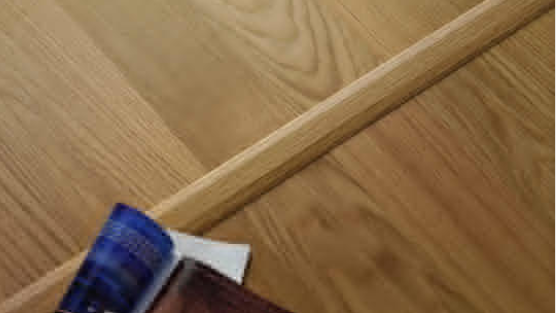
A floor transition is a strip, molding, or fitting that sits at the boundary where two flooring surfaces meet. It can accommodate height differences, expansion gaps, and changes in texture or direction. The right transition minimizes trip hazards, reduces wear at the edges, and creates a deliberate line that guides the eye. In addition to practicality, floor transitions can contribute to the room’s style, whether you prefer a minimal aluminum profile, a warm wood reducer, or a sleek ceramic tile edge.
Common types of floor transitions
- Thresholds and reducers – Ideal between rooms with different flooring heights, such as vinyl to tile, or hardwood to laminate. They provide a gentle ramp and a clean edge.
- T-molding – A versatile option for matching two floors of equal height, often used where a doorway separates spaces with the same material.
- Crossed or surface-mounted profiles – Usually used for transitions between floors with slight height differences or for decorative purposes in open-plan spaces.
- Soft-edged edge strips – Great for temporary installations or areas with less foot traffic, offering a subtle, unobtrusive finish.
- Metal and wood trims – Choose from aluminum, brass, or painted wood to complement modern or traditional interiors and to coordinate with hardware and furnishings.
Choosing the right type depends on factors like material pairings, room usage, and the anticipated load on the edge. For busy households with kids or pets, a low-profile, durable transition with a non-slip surface is often the best choice.
Materials and pairing considerations
Floor transitions come in a variety of materials to suit different looks and environments. Wood transitions pair well with hardwood or engineered wood floors, offering a warm, cohesive feel. Metal transitions provide a contemporary edge and are durable in high-traffic areas. Ceramic or porcelain tile transitions can be crafted to match grout lines for a seamless look, while vinyl or laminate transitions may focus on color harmony and profile thickness. When selecting a transition, consider durability, ease of cleaning, and how well the profile will wear over time in the specific environment (kitchens, bathrooms, or entryways).
To ensure a professional result, measure the full width of the doorway or seam, account for any underlayment, and confirm the subfloor is level. A well-executed floor transition not only protects the edges of your flooring but also enhances acoustics by reducing hollow noises at seams.
Installation tips for a smooth finish
Before installing, gather the right tools: a saw suitable for the chosen material, adhesive or fasteners, a caulking gun, and a precision drill. Clean the gap, secure the transition with screws or adhesive as recommended by the manufacturer, and finish with a matching caulk to seal edges against moisture and debris. If you’re working with different floor heights, use a ramped reducer or a gradual taper to minimize tripping risk. For DIY enthusiasts, many transitions come with simple snap-in or click-in systems that simplify installation without specialized equipment.
Where to start your search
When updating floor transitions, it’s helpful to explore products and ideas from trusted sources and suppliers. For more home improvement solutions and to explore a wide range of floor-related products, visit Readella. If you’re researching specific transition options, you can also view targeted guidance at floor transition resources to find compatible profiles for your flooring type and room layout.
Maintenance and longevity
Keep transitions looking fresh by cleaning regularly with a damp cloth and avoiding abrasive cleaners that could dull finishes. Check fasteners periodically to prevent loosening, and inspect for worn edges or gaps that might invite moisture or debris. With proper care, a well-chosen floor transition will contribute to a polished look and safer living spaces for years to come.
In sum, a thoughtful floor transition blends function and form, elevating both safety and style. By selecting the right profile, pairing materials wisely, and following installation best practices, you’ll create space transitions that feel intentional and inviting.