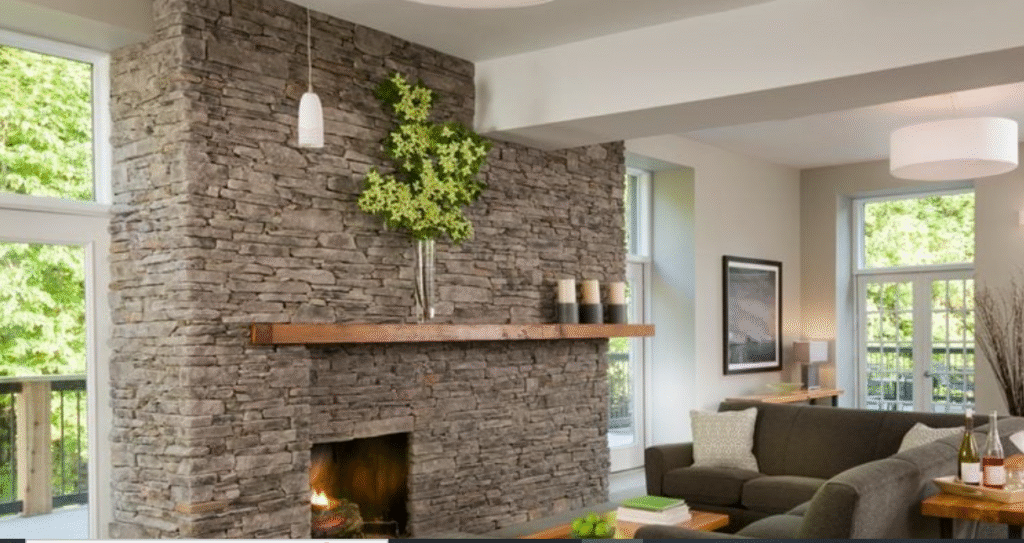

Transforming plain walls into character-rich backdrops starts with the right wall molding ideas. When you plan moldings, you’re not just adding decoration—you’re creating lines that guide the eye, define zones, and raise the perceived height of a room. The trick is to choose profiles and arrangements that complement your architecture, natural light, and furniture. In this post, we explore versatile ideas that range from subtle to statement-making, with practical tips on materials, cost, and installation so you can decide what fits your space.
Crown molding with a modern twist
Crown molding remains a timeless anchor for many interiors. For a contemporary update, opt for slim profiles, soft curves, or boxy square-edged corners. Paint the molding bright white to create crisp contrast against a muted wall, or swap white for a warm gray that echoes cabinetry. If your ceiling is tall, a slightly taller crown height helps balance the space and frames art or architecture. A discreet LED strip along the top edge can produce a gentle glow that highlights the silhouette without harsh shadows.
Panel molding and wainscoting for architectural interest
Panel molding adds depth and rhythm without overwhelming the room. Start with a few wide vertical panels on a single wall to create a focal backdrop for a sofa or console. In dining rooms, a wainscoted lower wall can protect surfaces while framing the space with elegance. Choose raised or flat panels depending on your style, and vary the scale to fit ceiling height. A light wood stain brings warmth, while a monochrome paint finish keeps the look streamlined. For added texture, consider a shiplap or beadboard insert within the panel framework.
Picture framing molding and decorative panels
Picture framing moldings create gallery-ready precision around artwork, mirrors, and architectural niches. This approach uses shallow frames that sit close to the wall, avoiding bulky depth while still offering dimension. Mix vertical and horizontal framing to craft a grid that enhances symmetry in hallways or entryways. If your artwork changes seasonally, add a few adjustable frames that are easy to resize. For a bold look, paint the frames in a contrasting hue or apply metallic leaf to catch the light from different angles.
Material choices and finishes that suit your budget
Wall molding ideas aren’t limited to solid wood. MDF, polyurethane foam, and medium-density fiberboard provide cost-effective alternatives with excellent detail. Foam profiles are lightweight and easy to install, ideal for DIY projects in bedrooms or small apartments. When choosing finishes, consider gloss, satin, or matte sheens. Matte white walls with glossy trim create contemporary contrast, while a warm stained wood pairing adds coziness. If moisture is a concern, select moisture-resistant materials for bathrooms or kitchens and seal joints properly to prevent warping.
Practical tips for planning and installation
Before purchasing, measure your walls and sketch a layout that aligns with windows, doors, and outlets. Start with a baseline height—often around 8 to 10 inches from the floor for paneling, or halfway up the wall for lighter profiles. Test color swatches in natural light to see how the molding reads at different times of day. If you’re unsure about cutting angles or miter joints, consult a pro or rent a basic miter saw for clean corners. Budget for fasteners, filler, and a quality caulk that seals gaps without cracking with seasonal changes.
Choosing the right look for your space
These ideas can suit rustic cabins, modern lofts, or traditional homes alike. Start with one focal wall or a simple chair rail to calibrate the balance in a room. As you refine your plan, remember that harmony matters—between the wall, the molding, and the furniture nearby. For more inspiration and a curated set of ideas, you can visit the Veriibe homepage.