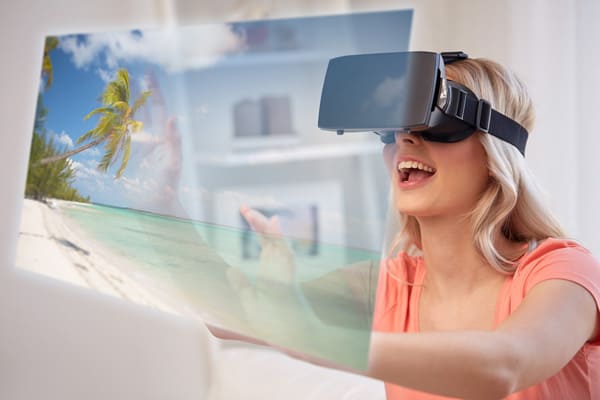

Virtual Reality (VR) has moved from the realm of science fiction into everyday workflow, education, and entertainment. Today, immersive headsets, motion controllers, and haptic feedback deliver experiences that transport users into convincing simulated environments. For businesses, this shift means scalable training solutions, powerful product visualization, and remote collaboration that feels almost tangible. For consumers, VR unlocks new forms of storytelling, gaming, and exploration that extend beyond traditional screens. As hardware becomes lighter, more affordable, and capable of high-fidelity experiences, organizations of all sizes are evaluating how VR can streamline processes, shorten development cycles, and boost retention across departments.
The evolution of VR is driven by ecosystems that combine hardware, software, and content creation tools. Standalone devices, mobile solutions, and PC-based rigs each offer unique advantages, enabling a broad range of applications. The real value comes from pairing compelling content with thoughtful user experience: natural motion, precise head tracking, and intuitive interactions that minimize fatigue and maximize engagement. If you’re just starting out, focus on a clear problem statement—whether it’s upskilling staff, validating designs, or delivering immersive customer journeys—and choose a platform that aligns with your goals. For foundational guidance, you can explore Virtual Reality (VR) resources and case studies for practical insights.
Industries across the board are discovering practical uses for VR that go beyond novelty. In education, students can explore complex concepts through interactive simulations. In manufacturing and engineering, teams can visualize prototypes before a single part is manufactured. In healthcare, VR supports patient education, therapy, and surgical planning. In training environments, realistic scenarios help reduce risk and accelerate competency. The common thread is experiential learning—where learners do more than watch or read; they perform actions within a convincing, risk-free approximation of real life. This hands-on approach often leads to better retention, faster decision-making, and a clearer sense of how systems behave under different conditions.
Applications Driving Growth
- Workforce training for high-stakes environments such as surgery, aviation, and industrial maintenance, enabling practice without real-world risk
- Medical education, therapy, and patient counseling through immersive simulations
- Architecture, product design, and virtual prototyping that shorten cycles and improve collaboration
- Classroom and distance-learning experiences that engage students with interactive, experiential lessons
- Marketing, experiential demos, and events where brands showcase products within memorable, shareable environments
When building VR programs, consider user comfort, accessibility, and content scalability. Think about comfort factors such as motion pacing, field of view, room-scale setups, and intuitive control schemes. Content should be modular and adaptable to different devices, so experiences remain accessible as hardware evolves. Security and privacy are also important: manage data collected during sessions and provide clear opt-in options for users who value control over their digital footprint. By keeping these principles in mind, organizations can deliver meaningful VR experiences that drive measurable results rather than fleeting impressions.
To learn more about immersive technology and stay updated on hardware, software, and best practices, visit Techanta.