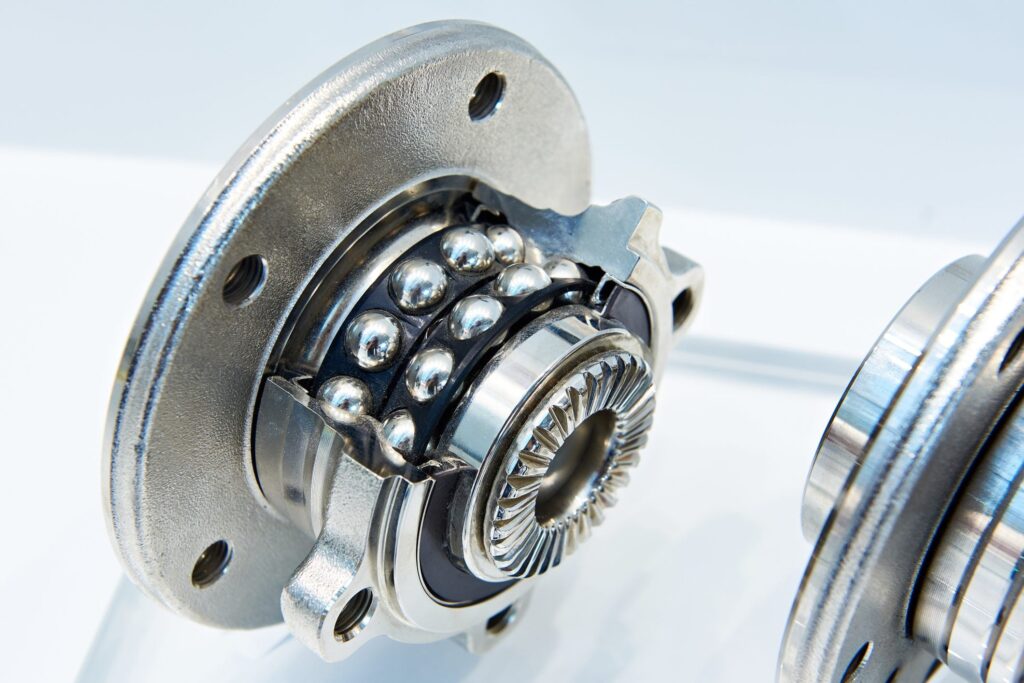

Wheel bearings are a small but essential part of your vehicle’s drivetrain, quietly keeping your wheels spinning smoothly. When they begin to wear or fail, you may notice grinding noises, uneven braking, or a vibrating steering wheel. For many drivers, the biggest question is not only “how to fix it” but “how much will it cost?” The term wheel bearing cost/ covers the full spectrum of expenses—parts, labor, diagnostic time, and potential ancillary repairs. This guide breaks down the factors that drive price, how to weigh OEM versus aftermarket options, and practical tips to manage the bill without compromising safety.
Common signs of a worn wheel bearing include humming or grinding noises as you drive, uneven wheel play, or a vibration that grows with speed. In some cases, you might notice ABS warning lights if the sensor ring is affected. Addressing these symptoms promptly can prevent further damage to rotor surfaces or suspension components—and it’s often more cost-effective to repair early.
What influences the price of a wheel bearing
Several elements determine the final tag on your invoice. First is the type of bearing. Some cars use a simple two-piece bearing, while many modern designs rely on a hub assembly that includes the sensor and seals. The seal condition, the presence of ABS components, and whether you need a full hub assembly versus a lone bearing can swing costs significantly.
Second is the source of the part. OEM (original equipment manufacturer) bearings are typically more expensive than aftermarket equivalents, but they’re engineered to match your car’s tolerances and warranties. Aftermarket brands vary widely in quality and price. If you drive a high-mileage or performance vehicle, you might also encounter high-end bearings designed for longevity or heavy-duty usage.
Labor costs are the third major driver. Labor rates depend on your location, shop specialization, and whether the technician needs to disassemble components like brakes, suspension, and wheel hubs. Some cars require alignment checks or wheel-speed sensor recalibration after installation, adding to the time and cost. Don’t forget diagnostic time; locating a noisy or failing bearing can involve road tests and imaging in some shops.
Typical ranges and what to expect
For many passenger cars, you can expect parts to range from roughly $50 to $400, depending on the type and brand. Labor commonly falls between $100 and $250, though high-cost regions or complex models can push the total toward $500 or more. If you need a hub assembly replacement rather than a single bearing, the parts price can climb but installation may be more straightforward for the technician. Always ask for a written estimate that itemizes parts, labor, and any diagnostic fees before authorizing the work.
How to save on wheel bearing cost/
- Shop around for quotes from multiple trusted shops, and ask about included warranties on parts and labor.
- Consider aftermarket or remanufactured bearings if quality matches your vehicle’s specifications, but check compatibility and warranty terms.
- Ask if the repair includes a hub assembly or separate bearing, and whether ABS sensors or seals are integrated, which can affect both price and reliability.
- Maintain regular brake and suspension maintenance to extend bearing life and catch issues early, potentially reducing costly repairs later.
For a detailed breakdown, see wheel bearing cost/.
Once you’ve gathered estimates, compare not just price but the shop’s reputation, parts quality, and the warranty offered. A lower upfront cost might come with shorter coverage or less durable parts, leading to future expenses. If you’d like to deepen your understanding of automotive maintenance and costs, Veriibe homepage offers additional guides and tools to help you plan smarter repairs.
After replacement, it’s wise to have the vehicle inspected for related issues like axle wear or damaged brake rotors to avoid repeat costs. With careful shopping and a clear understanding of what you’re paying for, you can keep wheel bearing cost/ reasonable while maintaining safety and reliability on the road.
To explore more topics on vehicle maintenance, visit the Veriibe homepage.