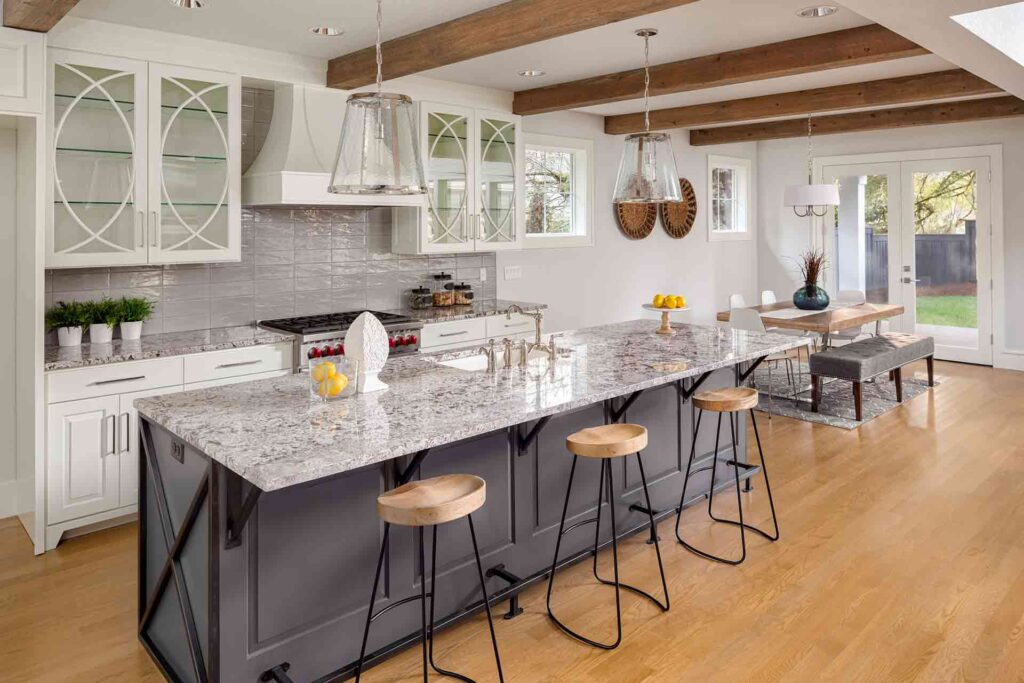

If you’re planning a kitchen remodel, you’re probably asking how much does a new kitchen cost. The answer isn’t a single figure, because the final price depends on many choices. A new kitchen blends design, function, and materials, and every decision—from the layout to the finish—moves the number up or down. This guide breaks down the main cost drivers and helps you prepare a realistic budget before you start.
What determines the price
The total cost of a new kitchen hinges on several key factors. First, the size and layout of your space influence both cabinetry and installation time. A simple U- or L-shaped layout is typically less expensive to install than a complex, peninsula-driven design. Next, cabinet style matters: stock cabinets are cheaper than semi-custom or fully custom units. Material and finish choices—from thermofoil and laminate to solid wood or high-gloss lacquer—also have a big impact. Then come countertops, appliances, sinks, and taps, which can range from economical to premium selections. Finally, labor, plumbing, electrical work, demolition, and delivery charges can add significantly to the base price, especially if asbestos or wall-taking work is involved.
Typical price ranges
Prices vary by region and quality, but you can think in broad bands. A basic new kitchen with ready-made cabinets and standard appliances might start in the low thousands, while a mid-range kitchen with good cabinetry, solid work surfaces, and mid-range appliances commonly lands in the mid to high five figures. For high-end projects with premium bespoke cabinetry, solid-surface counters, professional lighting, and top-tier appliances, costs can exceed six figures. It’s important to remember that every project has a base price, and upgrades ramp the total quickly.
Cost breakdown to guide planning
- Planning and design fees (if you hire a pro or designer): 2–8% of total project cost
- Cabinetry: typically 25–40% of total budget, depending on stock vs. custom
- Countertops: laminate to quartz or granite, often 10–25% of the budget
- Appliances: range from budget to premium, commonly 10–25%
- Sink, faucet, and plumbing: 2–5%
- Electrical, lighting, and ventilation: 5–10%
- Flooring, backsplashes, and finishes: 5–15%
- Demolition, disposal, and site prep: 5–15%
Ways to save money without sacrificing quality
Smart planning can trim costs without compromising function. Consider starting with a stock or semi-custom cabinet line and pairing it with durable, affordable countertops like quartz or solid surface. Reface or repaint existing cabinetry where possible, rather than full replacement. Maintain the same layout where feasible to avoid expensive plumbing and electrical changes. For appliances, prioritize essential features and energy efficiency, and look for bundle deals or seasonal discounts. Lastly, set a realistic timeline; spreading work into phases can reduce upfront expenses and make financing easier to manage.
Choosing the right contractor
Hiring a reputable kitchen fitter or contractor is crucial for meeting budget and timeline goals. Request detailed quotes that itemize cabinets, materials, labor, and allowances. Check references, verify licenses and insurance, and ask about project managers and deadlines. Clear communication about scope and contingencies helps prevent surprise costs as the project unfolds. If you need inspiration and more ideas, Deco Home offers guidance on design trends and practical tips for kitchen projects.
Getting started
Begin by measuring the space, listing must-haves, and setting a target budget. Then browse cabinet styles and countertop materials to see what aligns with your plan. For a detailed read on budgeting and costs, you can explore resources like how much does a new kitchen cost for extra context and ideas. A well-planned approach will help you achieve a beautiful, functional kitchen that reflects your lifestyle without overextending finances.