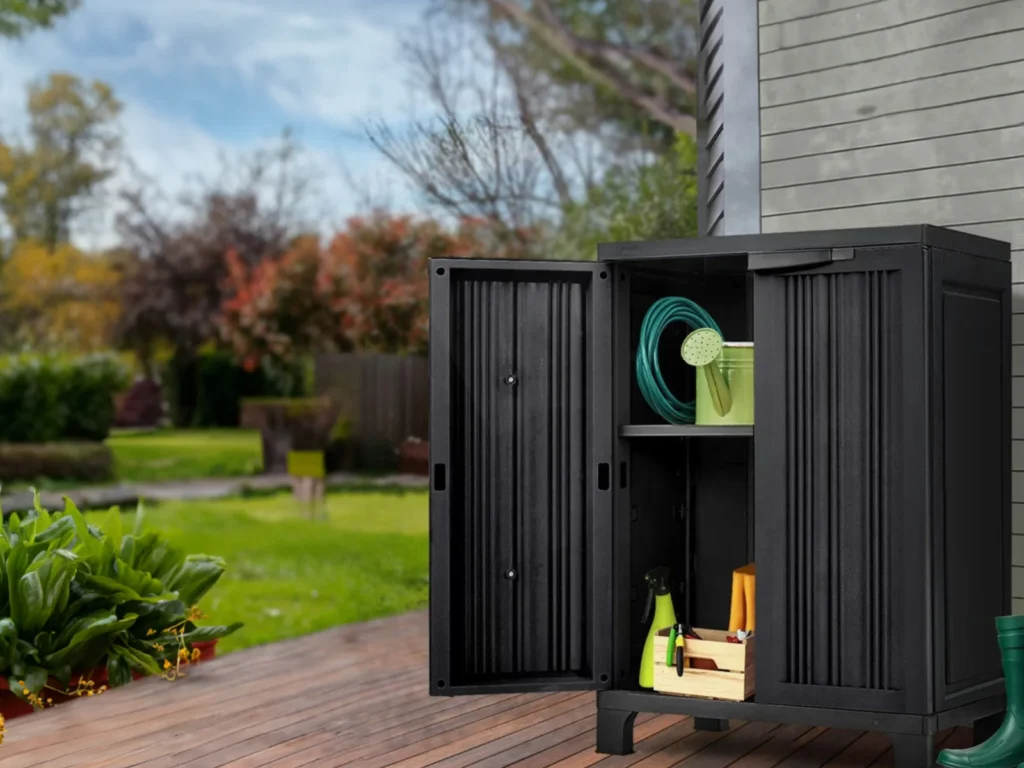

Keeping outdoor footwear organized and protected is essential for longevity, cleanliness, and curb appeal. A purpose-built outdoor shoe storage solution reduces mud-tracking, prevents damage from weather, and makes it easy to grab the pair you need before heading outside.
Assess your space and needs
Consider where your entryway sits, how much sun or rain it receives, and the size of your footwear collection. A small balcony might benefit from a compact wall rack, while a muddy-entry mudroom could accommodate a full weatherproof cabinet. When planning, think about accessibility, ventilation, and whether you want to store boots separately from sneakers.
Types of outdoor shoe storage solutions
There are several options to fit different budgets and aesthetics. For quick access, a wall-mounted rack keeps shoes off the floor and dries out faster after a rain shower. A weatherproof cabinet offers closed storage to hide dirt and odors, plus a seal to keep moisture out. A bench with built-in cubbies gives a seating area for donning shoes while keeping footwear organized. For a rustic vibe, choose a wooden crate system with drainage holes; for a modern look, consider powder-coated metal racks that resist rust. If you’re tight on space, stackable plastic bins or under-bench drawers can maximize vertical or hidden storage.
Materials and weather considerations
Outdoor shoe storage should be built from materials that tolerate humidity and temperature swings. Look for UV-resistant plastics, rust-proof metals, or treated wood. Ensure there’s drainage or a way for moisture to escape, and place storage away from direct groundwater exposure. A simple drainage tray or a small moisture absorber inside the cabinet can cut down on mildew. If you live in a snowy climate, consider heated mats or a dehumidifying routine to keep boots dry between uses.
Organization tips
Label bins, group shoes by activity (hiking, running, casual), and rotate seasonal pairs. Use boot shapers or vertical dividers to maintain form and prevent squashing. If you’re storing muddy or wet footwear, place a tray beneath to catch runoff and clean the tray weekly to prevent odors from lingering. A dedicated shelf for accessories—laces, insoles, and waterproof sprays—keeps everything in one place.
Maintenance and upkeep
Regular cleaning extends the life of outdoor shoe storage units. Wipe down surfaces with a mild soap, rinse, and dry completely. Inspect seals, hinges, and weather-stripping for wear and replace as needed. Air out shoes occasionally to prevent bacteria buildup, and consider using silica gel packs or cedar blocks to absorb moisture and deter pests.
Seasonal considerations
In spring and fall, inspect for leaks, re-seal wooden elements, and refresh moisture control. Winter climates benefit from elevated storage to avoid snow infiltration; summer storage should still allow airflow to prevent odors. If you store gear outside year-round, choose materials with colorfast finishes and treat wood or metal as needed.
Ready to set up?
Start with measuring the space and choosing a couple of key pieces that match your home style. Install firmly according to manufacturer guidelines, and test accessibility from the doorway. Remember to keep the area clean and free of clutter so you can easily switch sneakers for boots in minutes. For a deeper dive into the topic, explore our guide on outdoor shoe storage.
Looking for more storage inspiration? Check out the MilsBlog for ideas on organizing other outdoor essentials and maintaining your gear through the seasons.