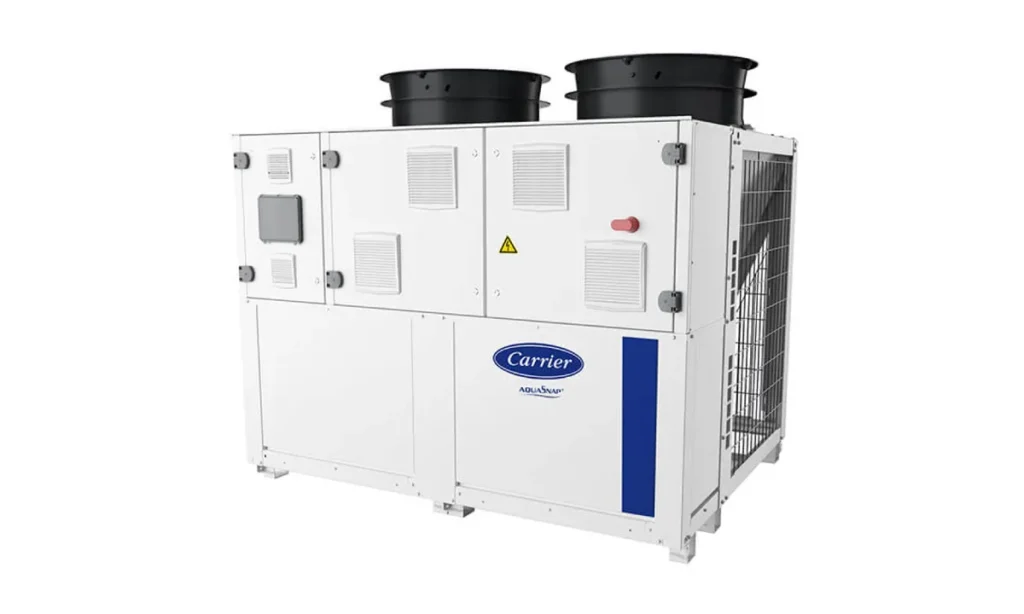

In recent years, the global push toward sustainability and energy efficiency has dramatically reshaped the way industries and commercial facilities approach cooling solutions. Traditional refrigeration and air-conditioning systems often rely on hydrofluorocarbons (HFCs) and other synthetic refrigerants that, while effective, have significant environmental drawbacks. Increasingly, businesses and facility managers are turning toward propane chillers as a more eco-friendly and sustainable alternative. But what exactly makes propane chillers environmentally responsible, and why are they gaining popularity in various sectors?
Understanding Propane Chillers
Propane chillers, unlike conventional systems, use propane (R290) as the refrigerant. Propane is a naturally occurring hydrocarbon with a low global warming potential (GWP) and zero ozone depletion potential (ODP). These chillers operate on the same basic principles as traditional refrigeration units, circulating a refrigerant through a closed-loop system to absorb heat from a space or process and expel it elsewhere. However, the critical difference lies in the refrigerant’s chemical composition, which is far less harmful to the environment than HFCs and chlorofluorocarbons (CFCs).
By utilizing propane, these systems significantly reduce greenhouse gas emissions and minimize their impact on the ozone layer. The adoption of propane chillers aligns with global environmental regulations, including the Kigali Amendment to the Montreal Protocol, which aims to phase down high-GWP refrigerants worldwide.
Low Global Warming Potential
One of the most compelling reasons propane chillers are considered eco-friendly is their exceptionally low GWP. While conventional HFC refrigerants can have GWPs thousands of times higher than carbon dioxide, propane’s GWP is just 3. This means that in the unlikely event of a leak, the environmental impact is negligible compared to traditional systems. For organizations striving to meet sustainability goals or reduce their carbon footprint, switching to propane chillers represents a substantial step forward.
Moreover, the low GWP of propane contributes to regulatory compliance in regions with strict environmental legislation. Many governments now incentivize or mandate the use of low-GWP refrigerants in new installations, making propane chillers both a future-proof and environmentally responsible choice.
Energy Efficiency Advantages
Beyond the type of refrigerant used, propane chillers offer impressive energy efficiency benefits. Propane’s thermodynamic properties allow for efficient heat transfer, which can translate into lower energy consumption compared to systems using conventional refrigerants. Reduced energy usage not only decreases operating costs but also lessens the demand on electricity grids, indirectly lowering fossil fuel consumption and associated carbon emissions.
High energy efficiency is particularly important in commercial and industrial applications, where cooling can account for a significant portion of energy expenses. Facilities such as data centers, manufacturing plants, and large office buildings benefit from propane chillers by achieving both operational savings and environmental benefits simultaneously.
Minimal Ozone Depletion Potential
Another significant advantage of propane as a refrigerant is its zero ozone depletion potential. Unlike CFCs and HCFCs, which contribute to the breakdown of the ozone layer, propane does not deplete stratospheric ozone. This characteristic makes propane chillers a sustainable choice for facilities aiming to minimize their ecological footprint. Protecting the ozone layer is critical for reducing harmful ultraviolet radiation reaching the Earth’s surface, which is linked to skin cancer, cataracts, and other environmental hazards.
Compatibility with Green Building Standards
Sustainable building certifications such as LEED (Leadership in Energy and Environmental Design) and BREEAM (Building Research Establishment Environmental Assessment Method) place a strong emphasis on energy efficiency and environmentally friendly materials. Using propane chillers can help projects earn points toward these certifications because of the low environmental impact of the refrigerant and the energy-saving potential of the systems.
For developers and facility managers, integrating propane chillers into their building designs not only supports environmental goals but also enhances the overall marketability and sustainability profile of their projects. Buildings equipped with green technologies are increasingly preferred by tenants, investors, and stakeholders committed to environmental responsibility.
Safety and Modern Technological Advancements
A common concern regarding propane is its flammability. While propane is indeed flammable, modern propane chillers are engineered with rigorous safety standards and advanced control systems to ensure safe operation. These units are designed with leak detection, pressure monitoring, and automatic shutdown mechanisms, reducing any potential risk.
Technological advancements in compressors, heat exchangers, and refrigerant management have further increased the reliability and efficiency of propane chillers. These improvements have allowed propane-based systems to compete effectively with conventional chillers not only in environmental impact but also in performance, reliability, and lifecycle costs.
Cost-Effectiveness Over Time
While the upfront cost of a propane chiller may be slightly higher than that of a conventional system, the long-term savings often outweigh the initial investment. Reduced energy consumption, lower refrigerant leakage risks, and compliance with environmental regulations contribute to lower operational expenses over the lifespan of the system.
Additionally, as regulatory frameworks continue to tighten around high-GWP refrigerants, the cost of conventional systems is expected to rise, particularly in terms of maintenance and regulatory compliance. Investing in propane chillers now can protect businesses from future costs while aligning with sustainable practices.
Applications Across Industries
Propane chillers are versatile and increasingly adopted across multiple sectors. In the food and beverage industry, they are used for refrigeration and cooling processes with minimal environmental impact. In data centers, propane chillers help maintain optimal temperatures for servers while reducing energy consumption. Manufacturing plants, hospitals, and commercial office spaces also benefit from these systems due to their efficiency, reliability, and sustainability.
The adaptability of propane chillers demonstrates that eco-friendly solutions do not require sacrificing performance. Industries seeking to lower their environmental footprint can implement these systems without compromising on operational efficiency or cooling capacity.
Supporting Global Sustainability Goals
The adoption of propane chillers contributes to broader global efforts to mitigate climate change. By reducing greenhouse gas emissions, minimizing ozone depletion, and lowering energy consumption, these systems play a vital role in achieving targets set by international agreements such as the Paris Agreement.
For companies committed to corporate social responsibility (CSR), transitioning to propane chillers showcases a tangible commitment to sustainability. It also enhances corporate image and aligns with consumer expectations, as environmentally conscious buyers increasingly favor businesses that implement eco-friendly technologies.
Conclusion
In conclusion, propane chillers represent a forward-thinking, environmentally responsible alternative to traditional refrigeration and cooling systems. Their low global warming potential, zero ozone depletion, energy efficiency, and alignment with green building standards make them an ideal choice for industries and facilities aiming to reduce their ecological footprint.
While safety considerations and upfront costs exist, advances in technology and long-term operational savings make propane chillers a practical and sustainable solution. From commercial offices and industrial plants to data centers and food processing facilities, the benefits of propane chillers extend across multiple applications, helping organizations meet both environmental goals and operational needs.
As the world increasingly prioritizes sustainability, propane chillers exemplify how innovative engineering and environmentally conscious design can converge, providing an effective, eco-friendly, and future-ready cooling solution.
Switching to propane chillers is more than a technological upgrade—it is a strategic decision that aligns environmental responsibility with operational efficiency, paving the way for a greener, cooler, and more sustainable future.