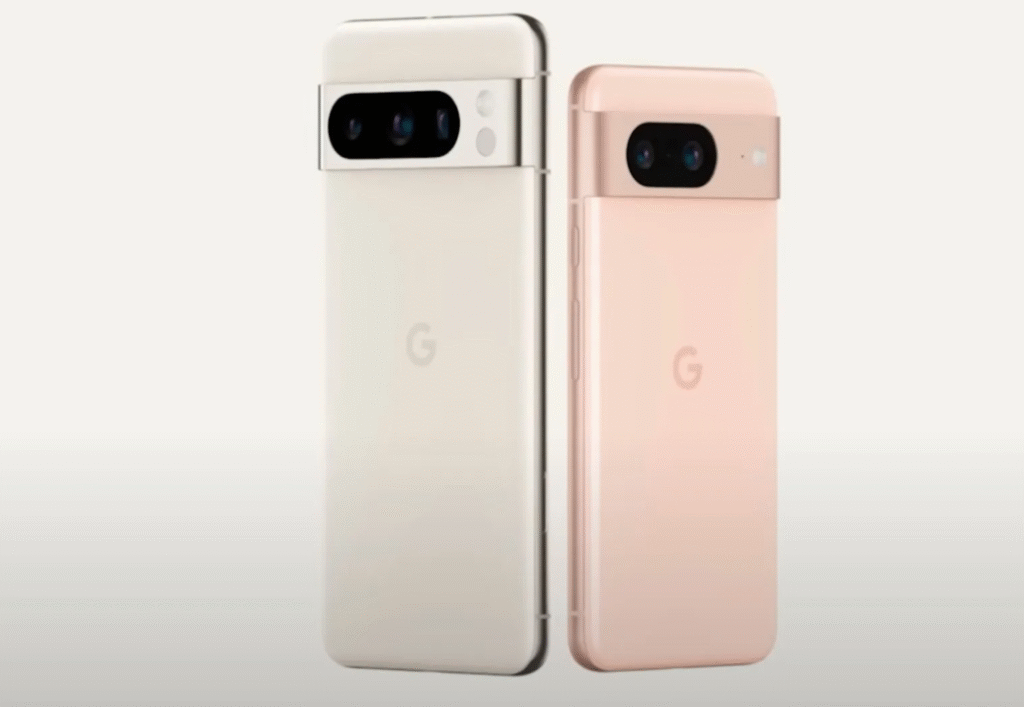

Google’s Pixel 8 and Pixel 8 Pro represent a deliberate push toward more AI-driven, user-friendly smartphones. These devices pair a refined design with smarter software, aiming to deliver reliable performance for everyday tasks and standout experiences for photography, video, and creativity. If you’re weighing an upgrade, this guide highlights what makes Pixel 8 and Pixel 8 Pro worth considering in today’s Android scene.
Design and display have moved beyond mere aesthetics. The Pixel 8 maintains a compact, comfortable feel, while the Pixel 8 Pro offers a larger, immersive display with smooth refresh rates that make scrolling, gaming, and media consumption feel fluid. Both phones continue Google’s emphasis on clean interfaces and high-quality build materials, which translates into a comfortable grip, solid durability, and an interface that feels both familiar and modern. For color enthusiasts, the palette options are attractive, and the glass-and-metal construction gives a premium look without sacrificing practicality.
Imaging remains a core strength. The Pixel 8 and Pixel 8 Pro leverage Google’s computational photography to produce bright, balanced shots in a variety of lighting conditions. While the Pro edition often earns special attention for its enhanced camera system, both devices emphasize software-assisted photography and video features that simplify capturing professional-looking images. Night Sight, Real Tone enhancements, and improved HDR processing are part of the suite that helps you get more natural color and detail with minimal effort. If you enjoy sharing memories quickly, the quick-edit tools and on-device AI help you polish photos before you even open a gallery app.
On the performance front, both smartphones benefit from a capable Google system-on-chip and optimized software. The experience is smooth for multitasking, app switching, and media consumption, with thoughtful thermal management that keeps performance steady during longer sessions. Battery life is designed to handle a full day of use for most people, and fast charging helps you get back to work or play without long downtimes. While pure numbers aren’t the only measure of a device’s usefulness, the Pixel 8 and Pixel 8 Pro consistently deliver responsive interactions, dependable app performance, and a satisfying feel of efficiency in daily tasks.
Software is where Google’s devices often shine. Android with Pixel-exclusive features delivers helpful AI-driven capabilities, smarter assistant interactions, and proactive suggestions that adapt to your routines. The Pixel 8 lineup typically includes refined voice interactions, improved on-device transcription, and thoughtful privacy controls that let you tailor how much data is processed on the device. For creators and power users, the Pro model’s expanded screen real estate and camera controls open up more possibilities for editing, shooting, and sharing content on the go.
Value and purchase considerations depend on how you use your phone. If you want a compact device with strong photography and a clean software experience, the Pixel 8 is a compelling choice. If you crave larger visuals, a broader camera framework, and more premium materials, the Pixel 8 Pro adds features that can justify the extra investment for enthusiasts and professionals who rely on mobile imaging and productivity tools. In either case, you’ll benefit from timely updates, a solid ecosystem, and a user experience that stays close to Google’s interpreted vision of “the phone that just works.”
To explore more reviews, comparisons, and buying guides, visit the MagazineZine homepage: MagazineZine.
For a deeper feature breakdown, spec comparisons, and hands-on impressions, you can navigate directly to the detailed coverage of Pixel 8 and Pixel 8 Pro at MagazineZine. This makes it easy to see how the two models stack up against similar flagships and where they fit best in your tech setup.