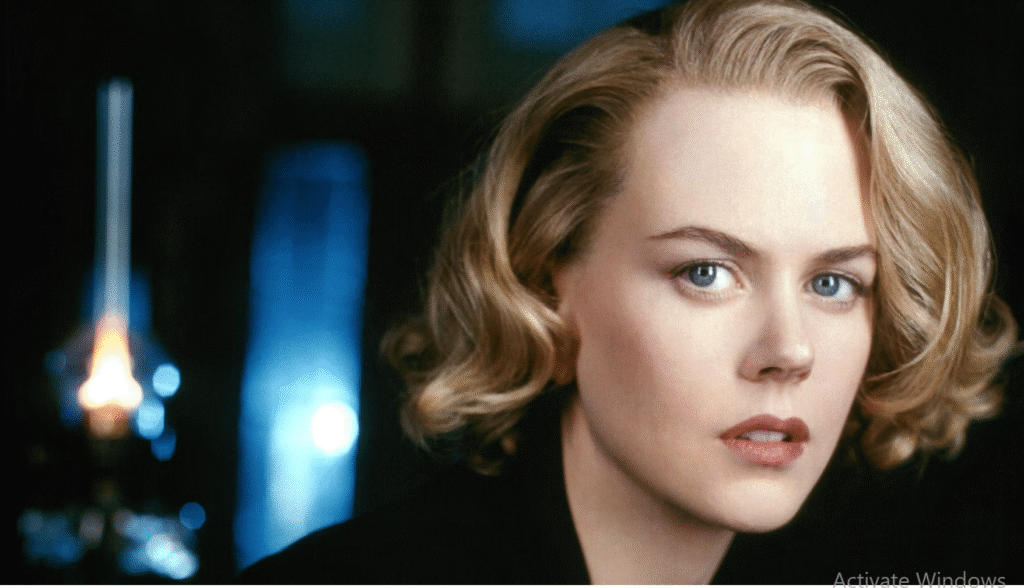

Nicole Kidman has been a defining presence in global cinema for more than three decades. From her Australian roots to Hollywood stardom, she has consistently combined vulnerability with razor-sharp technique, turning even humble supporting moments into memorable scenes. For fans who want a curated view of her screen work, exploring nicole kidman movies offers a window into how she has evolved as an artist across genres, languages, and eras. Her versatility spans intimate dramas, lush period pieces, and high-stakes thrillers, making her filmography a playground for cinephiles chasing emotional truth, stylish storytelling, and fearless performances. Beyond the accolades, Kidman’s choices reveal a methodical approach to character development, a knack for collaboration, and a willingness to reinvent herself with each new project. This post surveys landmark titles, highlighting what makes her work distinct and why fans return to her performances time after time.
Early work and breakthrough
Her early work in Australian cinema laid a foundation for a fearless approach to performance. A breakthrough moment arrived with Dead Calm (1989), a tense thriller that paired her with seasoned leads and allowed viewers to glimpse the quiet, controlling intensity she would wield across genres. In the aftermath, Kidman tested accents, moods, and silhouettes, gradually moving from teen parts to demanding adult roles. The decision to pursue varied material—ranging from psychological suspense to sweeping dramas—established a trajectory that would keep her in the international conversation. By the mid-1990s, she was balancing independent productions with mainstream hits, a pattern that underscored her commitment to craft over easy recognition.
Award-winning and genre-spanning work
One of Kidman’s most celebrated chapters comes from The Hours (2002). The film earned her the Academy Award for Best Actress, a testament to how she can carry a multi-character narrative with grace and precision. Across the ensemble, her performance carved out a quiet dignity that resonated with audiences worldwide. The Hours remains a touchstone in discussions of mood, pacing, and emotional resonance, illustrating why she is often counted among cinema’s best modern actors. In the same period she balanced drama with bold genre work in The Others (2001) and Cold Mountain (2003), broadening the sense that she could adapt to suspense, romance, and historical epic with equal ease. Those titles also showcased her talent for inhabiting otherworldly atmospheres or intimate moral centers, a versatility that would define many later choices.
Musical brilliance and visual storytelling
Another milestone came with Moulin Rouge! (2001), where her singing and fearless stage presence turned a period romance into a kinetic, modern spectacle. The film’s exuberant energy and visual inventiveness underscored Kidman’s willingness to take chances, often pushing through stylistic boundaries to serve character truth. That same curiosity has driven her later choices, from the intimate drama Rabbit Hole (2010) to the biographical The Danish Girl (2015) and the powerful transformation in Lion (2016), where a quiet, persuasive performance earned broad critical acclaim and several award nominations. The Northman (2022) then reminded audiences of her capacity to inhabit a mythic world with authority, revealing a different facet of her artistry and signaling that her screen presence remains combustible regardless of genre.
Recent roles and enduring versatility
On television, Kidman has also demonstrated mastery, turning limited series like Big Little Lies into an essential cultural touchstone and proving that she can anchor a high-tension narrative in long-form storytelling. The Undoing (2020) offered another facet of her range, combining elegance with psychological depth. In Being the Ricardos (2021), she embodied Lucille Ball with a nuanced balance of humor, public scrutiny, and private doubt, a performance that sparked conversation about archiving iconic figures on screen. Collectively, these roles reinforce the argument that Nicole Kidman movies and television work together to map an unusual career arc—one that blends star power with a relentless pursuit of complex, human stories.
Looking ahead, Kidman continues to balance blockbuster work with intimate dramas, and her recent projects broaden her reach beyond cinema. As streaming catalogs diversify and production opportunities expand worldwide, audiences can expect more collaborations that challenge genres and push acting boundaries. For cinephiles who want a deeper catalog, visit Readslife.