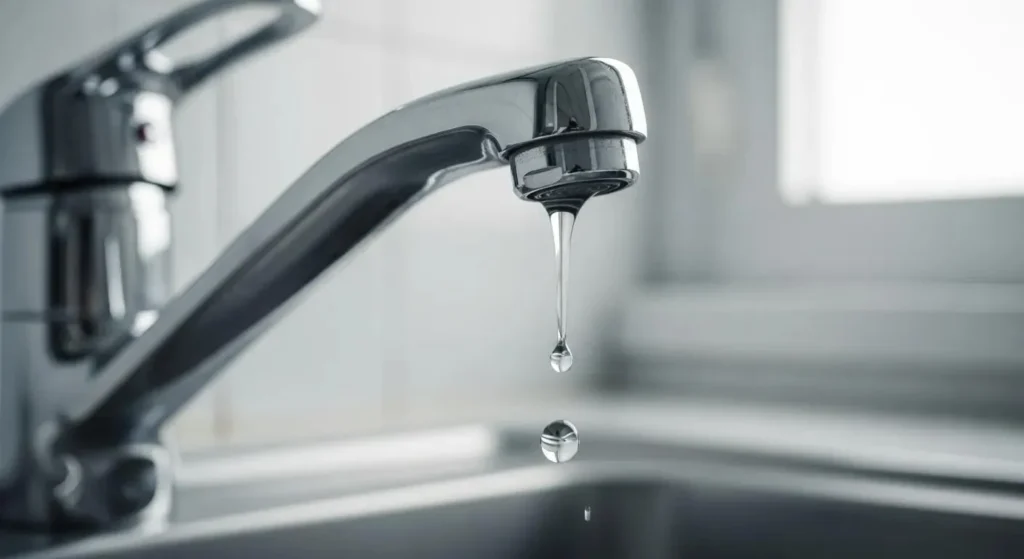

Replacing a kitchen faucet can refresh your space, improve water efficiency, and fix leaks that waste both water and money. Whether you’re upgrading to a pull-down model, a touchless faucet, or a classic single-handle design, the process is usually straightforward with the right tools and a little patience. This guide walks you through a practical, beginner-friendly approach so you can tackle the project in a weekend without calling a plumber.
What you’ll need
- New faucet with mounting hardware and flexible supply lines
- Adjustable wrench or basin wrench
- Screwdriver, pliers, and a bucket
- Plumber’s tape (Teflon tape) and plumber’s putty or silicone sealant
- Rags for cleanup and a towel to protect the sink
- Sanitary gloves (optional) and a flashlight for visibility
Before you start
Shut off the water supply to the sink from the under-sink shut-off valves. If you have a double sink, close both sides. Turn on the faucet momentarily to release any remaining pressure and water. Place a bucket under the supply lines to catch drips, and have towels handy. It’s also a good idea to take a quick photo of the existing connections so you remember where hot and cold lines go when you install the new faucet.
Step-by-step installation
- Remove the old faucet. Disconnect the supply lines from the valves using a wrench. From under the sink, loosen the mounting nut or bracket that holds the faucet in place with a basin wrench. Lift the faucet out from the top.
- Prepare the sink deck. Clean the area around the mounting hole to remove old putty or mineral buildup. If your new faucet requires a gasket, position it correctly; otherwise apply a thin bead of silicone sealant on the underside as recommended by the manufacturer.
- Install the new faucet. Insert the faucet through the mounting hole. From under the sink, thread the mounting nut onto the faucet shank and tighten evenly. Avoid overtightening, which can crack the sink or damage the fixture.
- Attach supply lines. Connect the hot and cold supply lines to the corresponding valves. Use plumber’s tape on the threaded ends if needed, and tighten with a wrench, keeping connections snug but not overtightened.
- Seal and test. If your faucet requires silicone or putty, apply it as directed and wipe away any excess. Turn the water valves back on slowly, then run the faucet to check for leaks at both the base and the connections. If you notice slow leaks, snug up the fittings a bit more.
- Finalize. Reattach any aerator or decorative parts and clean the surrounding area. Check again for leaks after a few minutes of operation and with both hot and cold water running.
Tips, troubleshooting, and maintenance
If you encounter a leak at the base, reseat the faucet with fresh gasket material or silicone, ensuring the deck is clean and dry before reseating. Low water pressure can stem from a clogged aerator—remove it, rinse, and reinstall. Keep an eye on supply lines; replace worn hoses to prevent drips. Periodic cleaning of mineral buildup will prolong faucet life and maintain smooth operation. For complex installations or unusual sink configurations, consulting a professional is a sensible option.
For a detailed, step-by-step guide or if you want to compare faucet models, check out resources on How to replace a kitchen faucet. This topic is part of a wider range of practical home improvement tutorials you can explore as you upgrade your space.
Looking for more ideas and trusted tips? Visit HausFixr for a broader collection of guides and product recommendations that help you tackle projects with confidence.