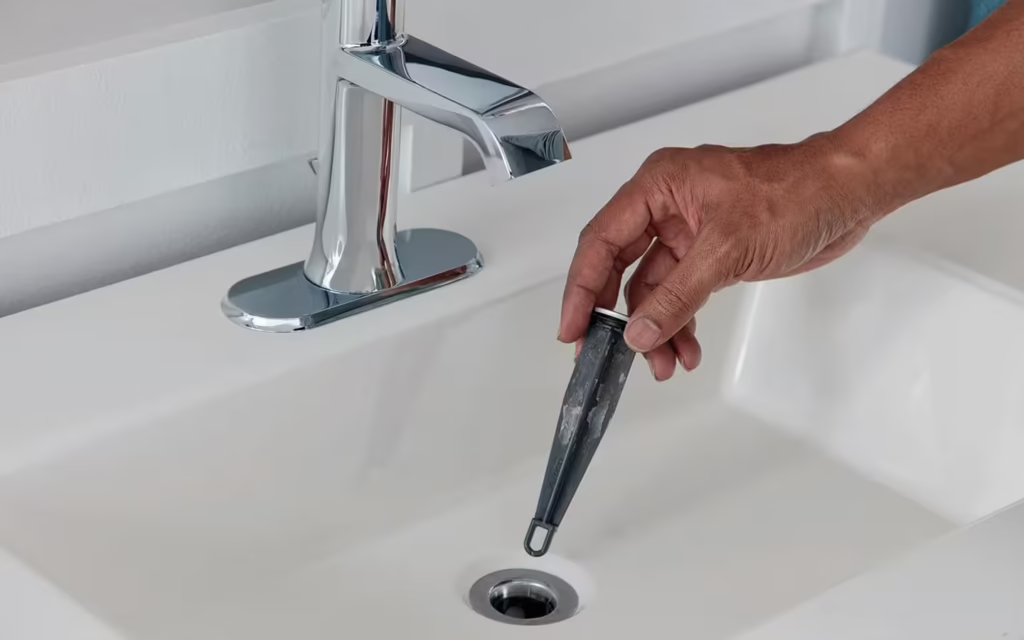

Clogged bathroom or kitchen sinks are a common household nuisance. The stopper at the drain collects hair, soap, and mineral buildup, slowing or stopping water flow. If you’re wondering how to regain full drainage without calling a plumber, this guide covers the steps you need. Along the way, you’ll learn how to troubleshoot different stopper types, the tools that make the job easier, and simple maintenance to prevent future jams. If you’re curious about a direct reference, you can read how to remove sink stopper/ for a concise, step-by-step walkthrough on Notepare.
Identify the type of stopper
Not all sink stoppers are created equal. A typical bathroom setup uses a pop-up stopper attached to a lift rod under the sink. Kitchen sinks often use a plunger or a twist-out stopper. Some older models have a crossbar and pivot rod that connect to a drain stopper. Before you begin, inspect the top for visible components and peek under the sink to see how the lift rod and pivot rod are wired. Knowing the stopper type helps you choose the right removal method and reduces the risk of damaging parts.
Gather the right tools
Having the right tools on hand speeds up the job and prevents frustration. You’ll typically need: an adjustable wrench, needle-nose pliers, a small screwdriver, flashlight, a bucket, old towels, and a few rags. If your hardware is corroded, penetrating oil can help loosen stubborn nuts. Protect the cabinet interior with towels to catch any water that leaks during disassembly. With the proper tools, you’ll safely release the stopper, clean the components, and restore smooth drainage.
Step-by-step removal process
Here’s a practical sequence that works for most pop-up and twist-out stoppers:
- Place a bucket and towels under the drain. Run a little water to locate where the leak will occur, then turn off the water supply if needed.
- Under the sink, locate the lift rod or pivot rod attached to the stopper. If you’re dealing with a pop-up, loosen the nut that holds the rod to the drain assembly.
- Disconnect the lift rod from the stopper by removing the cotter pin or clip, then slide the rod away from the drain. For twist-out stoppers, twist the top knob or cap to release the stopper.
- Gently pull the stopper straight up and out of the drain. If it’s stubborn, wiggle it while pulling to avoid bending the linkage.
- Inspect the stopper and drain opening. Clean hair, soap scum, and mineral deposits with a brush or old toothbrush. Rinse with warm water and a mild cleaner if needed.
- Reassemble in reverse order. Reconnect the rod to the drain, tighten nuts snugly (do not overtighten), and test the drain by running water.
Clean and reinstall for better drainage
After removal, take a moment to scrub the stopper itself. A buildup of oils and debris can reduce sealing efficiency and contribute to odors. When reinstalling, ensure the stopper sits evenly in the drain and that the linkage moves freely without binding. If you notice persistent drainage issues after cleaning, you may be dealing with a worn seal, a broken linkage, or a partially blocked pipe. In many cases, replacing a worn stopper or pivot rod is a quick, cost-effective fix that restores full function.
Troubleshooting tips and maintenance
If the stopper won’t budge, apply a little penetrating oil and wait a few minutes before retrying. For stubborn clogs, use a hand auger or a plumber’s snake to clear the pipe just beyond the trap. Regular maintenance—removing hair weekly, wiping away soap scum, and running hot water after use—helps prevent future clogs. If you’d prefer more professional guidance, you can explore a broader collection of home repair tutorials on the Notepare site.
For more home improvement ideas, visit the Notepare homepage.