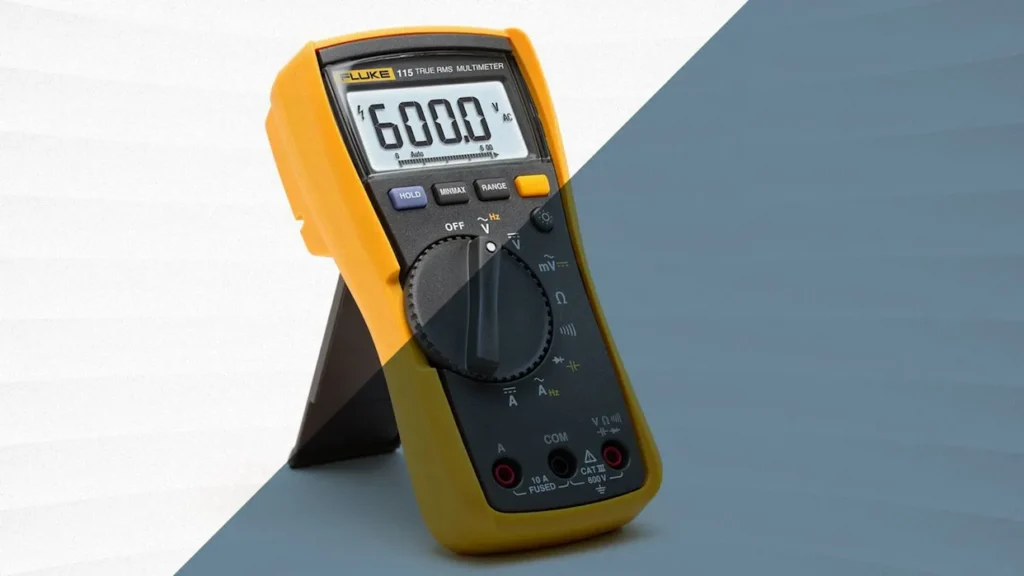

Choosing the right tool for electrical work begins with a dependable multimeter. Whether you’re diagnosing a household circuit, testing a car battery, or building a DIY power supply, a handheld meter helps you measure voltage, current, and resistance quickly and safely. In a crowded market, finding the best multimeter means balancing accuracy, durability, and ease of use. This guide walks through the essential features, common pitfalls, and practical tips to help you pick a model that fits your projects and budget.
Auto-ranging vs. manual-range: knowing what fits your work
Know that there are two main families: auto-ranging digital meters and traditional manual-range units. Auto-ranging models simplify measurements by selecting the correct scale automatically, which reduces guesswork for beginners. Manual-range instruments can be faster and cheaper for advanced users who know exactly what to measure. When you compare contenders, look for a clear display, solid build quality, and sensible protection features that guard against overloads. The best multimeter should feel sturdy in your hand and be easy to read in a cluttered workshop. This choice often comes down to how you work and what you value most in a tool.
Key specs that separate good meters from great ones
A good multimeter will measure DC and AC voltage, DC and AC current, resistance, continuity, diode test, and sometimes capacitance and frequency. If you expect automotive work, check for a higher CAT rating (CAT II–CAT IV) and features like an axial probe design or retractable leads. Safety comes first, so avoid underpowered units with thin insulation or poor probe ergonomics. For many hobbyists, a meter with auto-ranging, a reliable backlit display, and auto- or manual-turn-off helps save battery life and reduces random readings. Look for accuracy specs such as ±(0.5% + 2 digits) for voltage measurements, which tends to be solid for most home projects.
Usability and build quality matter just as much as specs
Beyond raw specs, consider usability. A backlit display is a boon in dim basements. A built-in stand or tilt angle helps when you’re working on a bench. Test lead quality matters just as much as the meter’s guts; look for shrouded, flame-retardant probes and sturdy alligator clips. Some meters also include a temperature probe, which is handy for chemistry or HVAC tasks. If you’re replacing an old meter, compare warranty length and customer support reputations—these tools are long-term investments and the right service network saves headaches later. If you travel or work in tight spaces, consider a compact design with a protective holster and easily replaceable leads.
Tips for choosing and using your multimeter
For buyers taking the plunge, start with the best multimeter you can afford within your budget and scale up as your projects demand more features. Read user reviews, check product datasheets, and watch a few hands-on videos to see how a model handles common tasks like battery checks, continuity tests, and noisy AC circuits. If you want a quick, reliable resource, check the best multimeter. For deeper insights and ongoing recommendations, you can also explore official buying guides on the Scitechwiz homepage: Scitechwiz homepage.
Where to find trusted reviews and ongoing updates
Choosing the right instrument is easier when you combine hands-on testing with reputable sources. Look for reviews that show real-world usage, not just spec sheets. A model’s durability, battery life, and safety certifications often matter more over the long term than a single impressive spec. Once you’ve narrowed your list, try to borrow a meter from a friend or a local electronics shop to see how it feels in your hands, how the leads behave, and how intuitive the interface is during measurement tasks. Consistent, clear documentation from the manufacturer also helps you stay aligned with safe operation practices.
For more electronics insights and updated recommendations, consider visiting the Scitechwiz homepage as you finalize your purchase.