
If you’re curious about the inner workings of a common home comfort device, you’ve landed at the right spot. Understanding how electric heaters are made the process/ helps consumers evaluate efficiency, safety, and durability. Modern electric heaters combine careful design, reliable materials, and precise assembly to deliver steady warmth with minimal fuss. In this guide, we’ll walk through the typical journey from concept to finished product, highlighting the core components, manufacturing steps, and quality checks that ensure safe operation in homes.
Core components and how they function
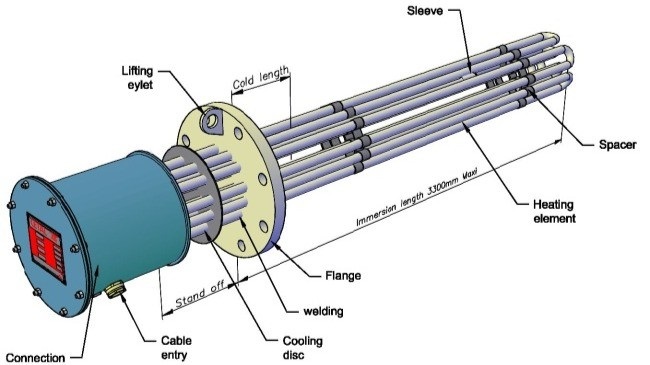
Electric heaters rely on a few key parts to convert electrical energy into heat and distribute it evenly. The heart of many models is a resistive heating element, often made from nichrome or a ceramic composite, which heats up when current passes through it. This element is encased for safety and mounted within a durable housing. Temperature control is managed by thermostats or advanced control boards, which regulate power to the element to maintain the desired room temperature. Additional components include mica or ceramic insulation, wiring that meets electrical codes, safety devices like thermal fuses, and a fan or convection system in some models to spread warm air quickly.
The manufacturing steps: from design to delivery
The production of electric heaters follows a standardized process to ensure consistency and safety:
- Design and sourcing: Engineers specify electrical ratings, enclosure materials, and safety features. Components are sourced from vetted suppliers, with emphasis on moisture resistance and flame retardance where applicable.
- Heating element preparation: The heating coil or ceramic matrix is manufactured to exact specifications, tested for resistance and longevity, then assembled into a protective housing.
- Electrical assembly: Wires, terminals, and control electronics are connected in a clean, soldered or crimped configuration. Grounding and insulation are checked to prevent shock or short circuits.
- Enclosure and airflow design: The outer shell is fabricated from metal or high-heat plastics. In models with fans, impellers and ducts are measured for quiet operation and even heat distribution.
- Safety features installation: Thermal fuses, overheat protection sensors, and tip-over switches (where applicable) are installed and tested to meet safety standards.
- Finish and testing: The unit receives a final cosmetic finish, followed by functional testing, including heat-up cycles, thermal ramp, and airflow checks to ensure uniform performance.
Quality control and compliance
Quality control is woven into every stage of production. Components are inspected upon arrival, and in-line tests verify electrical resistance and insulation. Finished units undergo environmental testing to simulate years of use, as well as safety certifications for insulation, grounding, and short-circuit protection. Compliance with regional standards (such as UL, CE, or other national marks) guides both design and production practices, helping reduce the risk of fire hazards or electrical faults in consumer homes.
Efficiency, maintenance, and longevity
Modern electric heaters emphasize efficiency through precise temperature control and efficient airflow. Models with programmable thermostats can reduce energy consumption by avoiding unnecessary heating. Maintenance is typically minimal: periodic cleaning of vents or grills, checking for loose connections, and replacing any worn fans or filters where present. Choosing an appropriate wattage for a room size also contributes to performance, ensuring that the heater can reach the desired temperature without excessive runtime.
Explore more about electrical heating
For readers who want a broader look at related topics, the Writingley homepage offers articles on home appliances, energy efficiency, and safe electrical practices. If you’re continuing your research into heating technologies, this resource hub can be a helpful starting point.