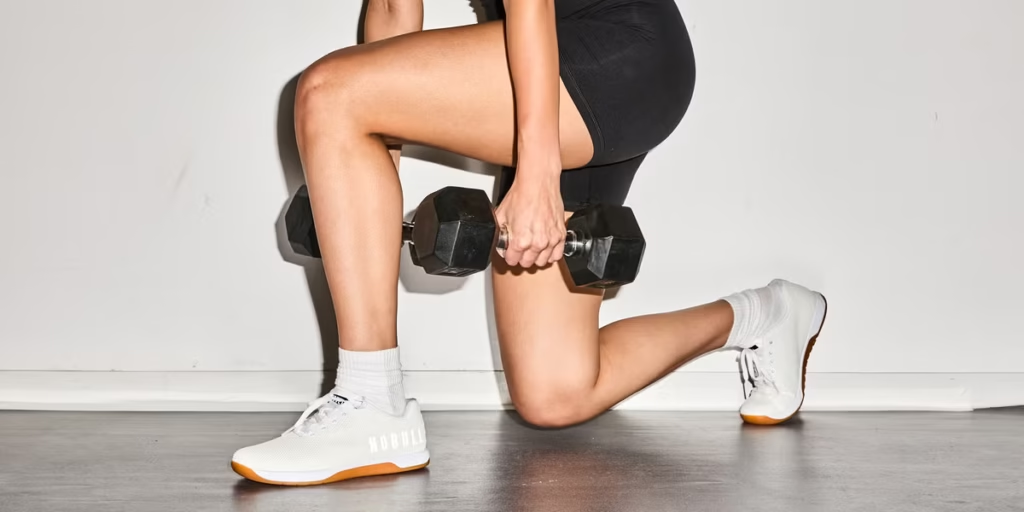

Choosing the right shoes can impact your lifts, safety, and long-term joint health. For women who train with squats, cleans, and deadlifts, the footwear should provide a stable base, secure fit, and transfer force efficiently from the feet to the floor. In this guide we explore what makes a great option and how to pick the best shoes for weightlifting women.
For a detailed review of the best shoes for weightlifting women, check our recommendations below and learn how to match features to your training goals.
Why weightlifting shoes differ from running or cross-training shoes
Weightlifting footwear is engineered to maximize contact with the ground, prevent unwanted foot movement, and promote a vertical torso during lifts. Compared with running shoes, weightlifting shoes usually have a stiffer midsole, a raised heel, and a narrower, more closed midfoot. These attributes help you achieve deeper squats, improved ankle mobility leverage, and safer, more efficient transfers of force through the kinetic chain. For women, whose mechanics may differ slightly due to hip width and ankle mobility, a shoe with a precise fit and stable platform can make a measurable difference in form and confidence.
Key features to prioritise
- Heel height and platform: A modest heel (roughly 0.5 to 1 inch / 12–25 mm) can open up squat depth and align your shins with your torso. Taller heels aren’t always better—choose a height that suits your ankle mobility and comfort.
- Sole stiffness: A dense, non-compressing sole minimizes energy loss and prevents the shoe from flexing during heavy lifts.
- Upper fit and lockdown: Look for a snug midfoot with secure straps or lacing that keeps the foot from sliding. A good fit around the toe box prevents numbness in longer sets.
- Stability and edge grip: A flat, stable base with a grippy outsole helps you plant securely on platforms or gym floors, reducing wobble when you rack or pull.
- Durability and materials: Leather or synthetic uppers with reinforced stitching hold up to chalk, metcons, and frequent workouts.
Fit tips for women and how to try before you buy
Many brands run narrow in the toe box. If you have wider forefeet or high arches, consider half-size adjustments or models with a forgiving toe area. Always try shoes with the socks you plan to wear in training, and test them with barbell movements you perform most often. If possible, test several laces or strap tensions to find the most secure lockdown without pinching the top of the foot.
When you’re ready to explore options, the Magazine Camp homepage can offer additional buying guides, user reviews, and training tips to complement your selection process.
Where to shop and what to expect for price ranges
Entry-level weightlifting shoes often start around a moderate budget and can rise in price for premium models with advanced materials and lighter weight. Consider value features such as a replaceable outsole, a choice of heel heights, and a comfortable break-in period. If you compete, you may want to invest in a sport-specific cut that stays true to your lift style, while recreational lifters can often find solid performers at mid-range prices.
Conclusion: investing in the right footwear pays off
Choosing the best shoes for weightlifting women means considering heel height, stiffness, fit, and durability. A well-fitted pair can improve depth, balance, and control, translating into better lifts and reduced risk of injury over time. Start with a tried-and-true model that fits your foot shape, test it in your most frequent movements, and adjust as your training evolves.