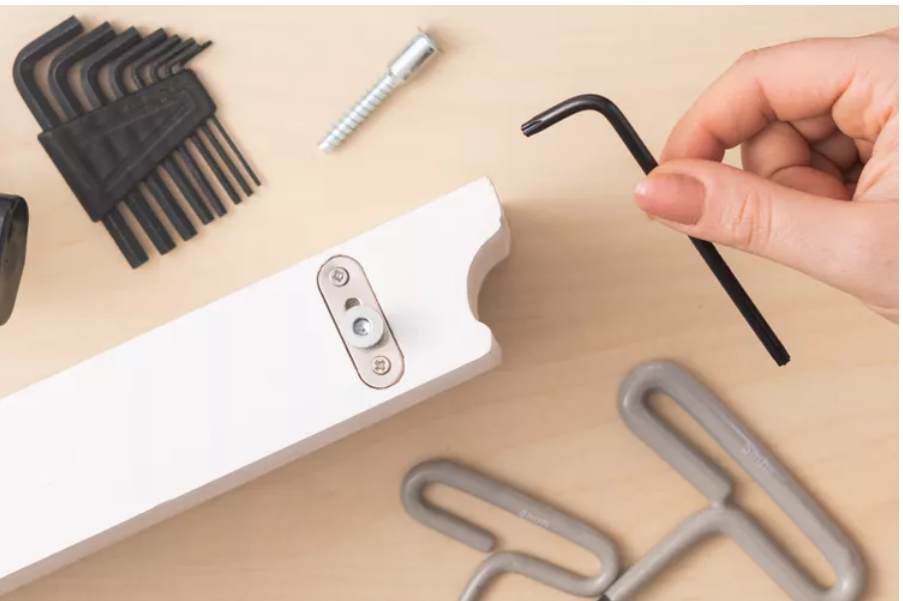

Dealing with a stripped Allen screw can stall a project and frustrate even seasoned DIYers. These fasteners rely on a precise hex grip, and when the recess is rounded or the head cams out, you lose control quickly. In this guide, you’ll find practical techniques, safety tips, and step-by-step ideas to recover from this common snag. For readers seeking a direct resource, the starting point is how to remove a stripped allen screw/.
Why Allen screws strip and how to avoid it
Allen screws strip due to over-torque, using an ill-fitting driver, or misalignment between the driver and the screw head. Corrosion, dirt, and worn tools also contribute. Understanding the cause helps you choose a gentler, more controlled approach that preserves both the screw hole and the surrounding material. Before attempting any fix, wipe away grime and ensure you’re using the correct hex size to avoid further damage.
Preparation and safety tips
Gather the right tools: a proper hex key or driver, locking pliers, a center punch, a drill and metal bits, a screw extractor kit, penetrating oil, and safety glasses. Clear the workspace, unplug power tools, and protect nearby surfaces. If the material is delicate or the screw is in a critical component, consider taping or shielding the area to prevent scratches or unintended damage.
Non-destructive first steps
Start with the least invasive methods. Apply a penetrating oil and let it soak for several minutes. Tap the screw gently with a hammer to break any rust bond, then attempt to turn with the correct hex key. If the head remains intact enough to grip, apply steady, even pressure rather than a forceful twist. Often, persistence with careful technique can free the screw without additional steps.
Method 1: Rubber band or steel wool grip
For a partially rounded recess, place a wide rubber band or a strip of steel wool into the hex socket and press the driver in firmly. The added grip can translate to better torque transfer. Twist slowly and evenly; if the grip slips, stop and switch to another method to avoid tearing up the head or stripping the recess further.
Method 2: Pliers or locking pliers
If any of the screw head protrudes, clamp the sides with locking pliers and turn counterclockwise. This works well when there’s enough exposed metal for a solid bite. Apply pressure gradually and avoid jerky movements that could snap the screw or rotate the surrounding material.
Method 3: Drill out and use a screw extractor
When grip methods fail, drill with care. Mark the center with a punch, drill a small pilot hole, and then proceed with a bit recommended by your screw extractor kit. Insert the extractor and turn counterclockwise. This method often frees the screw without damaging threads, but precision is essential to prevent drilling into the wrong area.
Method 4: Tap, thread insert, or replace
If the hex recess is irreparably damaged, you may need to tap a larger size or install a threaded insert to restore the hole’s integrity. After extraction, clean burrs with a fine file or sandpaper before reassembly. In some cases, replacing the screw with the same or a compatible fastener is the simplest route once the hole is prepared.
Prevention strategies for next time
- Use the correct driver size and apply steady torque, not brute force.
- Clean and dry threads; consider a light anti-seize compound on metal-to-metal joints that require future removal.
- Lubricate screws only where appropriate to reduce friction during installation.
- Inspect screws and drivers for wear; replace worn tools to maintain a proper grip.
For more DIY guides and tutorials, browse the homepage for additional resources. If you want a direct reference to the exact topic, revisit the starting point: how to remove a stripped allen screw/.
Conclusion
Removing a stripped Allen screw takes a blend of patience, the right tools, and careful technique. Start with non-destructive methods, then escalate only as needed. With the right approach, you can recover a stubborn fastener and keep your project on track.