
Living in a small space doesn’t mean you have to sacrifice style or storage. With thoughtful shelving, a compact room can feel organized, inviting, and surprisingly roomy. The key is choosing units that fit the layout and the way you live, rather than forcing a one-size-fits-all solution. By prioritizing vertical space, clean lines, and smart accessories, you can create a home that looks polished without crowding every square inch.
A well-chosen bookshelf for small spaces can transform a cramped corner into a curated display. The best options are those that quietly blend with the room while offering practical storage for books, decor, and daily essentials. When you start your search, focus on depth, height, and mounting options that align with how you use the area most often.
Tips for choosing the right bookshelf for small spaces
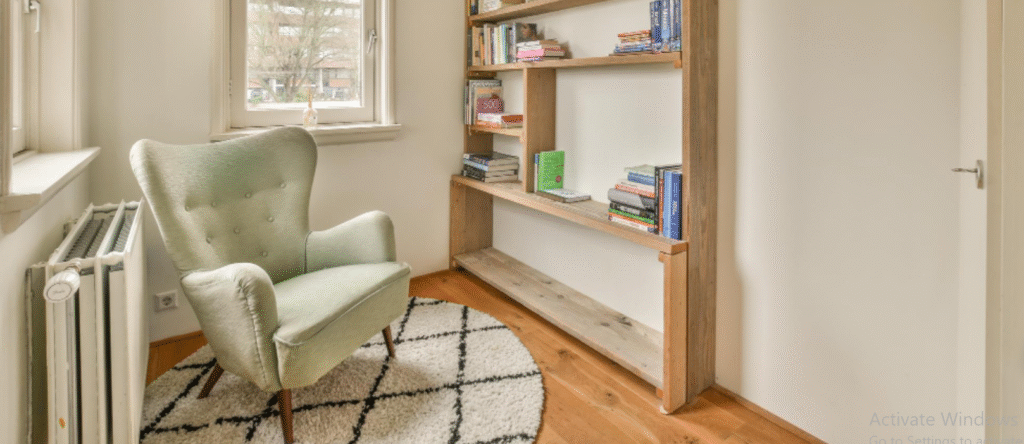
Start with depth and scale. Look for shelves that are 8 to 12 inches deep to keep foot traffic unobstructed and to prevent visual heaviness. Prioritize vertical space first: tall, slim units or wall-mounted boards stretch the eye upward and can double as room dividers in open-plan layouts. If you’re working with an awkward corner, a triangular or corner shelf can tuck in books, plants, and décor without intruding on floor space. Floating shelves are another excellent option for adding storage without bulk.
Consider modularity and adjustability. A modular system lets you reconfigure as your collection grows or your layout changes, while adjustable shelves accommodate oversized art books, photo albums, or electronics. When you don’t need a large surface, hide cables and devices behind doors or panels to maintain a clean, streamlined look. If you prefer a built-in feel, wall-to-wall modules can create a seamless backdrop without sacrificing flexibility.
Color, finish, and material choices matter. A light wood tone, white veneer, or matte neutrals tend to keep a small room feeling airy and open. If you want a focal point, choose a bold color or a contrasting finish on a single shelf or an eye-catching ladder shelf. For stability and safety, anchor tall units to the wall and use anti-tip hardware—especially in homes with kids or pets. Durable materials like solid wood, engineered wood with quality veneers, or powder-coated metal offer longevity in high-traffic areas.
Organization tricks maximize impact. Group similar items on dedicated shelves to reduce visual clutter, and use baskets or fabric bins for small odds and ends. Reserve the top shelf for display rather than stacking, which helps prevent a cluttered appearance. For added practicality, install a slim metal rail or a small pic rail to hang lightweight items without stealing vertical space.
Layout ideas to try in tight rooms. Place a narrow bookshelf beside a sofa for extra lighting and a convenient resting place for drinks; lean a tall ladder shelf against a long wall to create vertical rhythm; or install a cluster of staggered open shelves above a desk to keep supplies reachable. If you work from home, combine a compact desk with a wall-mounted shelf system to keep paperwork and supplies neatly organized without sacrificing floor space.
For more decor ideas and practical tips, visit the Writinglish homepage. The site offers curated inspiration for small-space living and practical guides to optimize every corner.
In summary, a bookshelf for small spaces does not have to be a compromise. With careful measurement, smart placement, and the right mix of shelves, you can achieve a functional, stylish storage solution that enhances rather than detracts from a compact room. By thinking vertically, choosing modular designs, and anchoring units responsibly, you’ll enjoy a space that feels larger and more organized than its footprint suggests.