
If you’re wondering how to remove spray tan, you’re not alone. A faux-glow can look perfect right after application, but fading, patchiness, or darker streaks often appear within a few days. The good news is that most tan mishaps fade naturally, and you can speed the process with gentle techniques that protect your skin while restoring your natural shade.
For a deeper dive, read our guide on how to remove spray tan. It walks through step-by-step routines, product picks, and timing suggestions tailored to different skin types so you can choose the approach that fits your routine.
Understanding how spray tans work
Spray tans rely on a sunless-tanning agent, usually dihydroxyacetone (DHA), which reacts with the outermost skin cells to create color. Because the shade sits on the surface, exfoliating and hydrating the skin can influence how quickly the color fades. Rather than aggressive scrubbing, the goal is to shed dead skin gradually while keeping the new layer moisturized and healthy. Understanding this can help you pick removal methods that are effective without over-drying or irritating sensitive areas.
Gentle, at-home removal methods
- Exfoliate with a gentle scrub or loofah. Focus on the palms, knees, elbows, and ankles using circular motions for 1–2 minutes. Avoid rough brushes that can irritate the skin.
- Try an oil-based removal. Massage a lightweight oil (such as coconut, olive, or almond oil) into dry skin for 2–3 minutes, then rinse with warm water and a mild cleanser. Oils help lift pigment without overdrying.
- Soak and soothe. A warm bath with a little bath oil or soothing additives can loosen color. Soak for 10–15 minutes, then rinse and pat dry gently.
- Moisturize after each treatment. A rich, fragrance-free moisturizer supports barrier health and can reduce the risk of patchiness as the tan fades.
In addition, you can use a gentle makeup-remover to target any stubborn staining around joints or hands. Avoid stripping products that leave skin dry, and always follow with moisturizer.
Tips for different skin types and tones
Dry or flaky skin may shed tan faster with regular moisturization, while oily skin can sometimes appear uneven as oils affect removal products. If your skin is sensitive, test any product on a small patch first and avoid strong acids or aggressive scrubs. For very dark or stubborn patches, you may prefer a dedicated self-tanner remover product from a trusted brand, used sparingly and as directed. If you wear a rich body oil, apply it after cleansing to keep skin supple and ready for the next fading cycle.
Common mistakes to avoid
- Aggressive scrubbing or harsh exfoliants that irritate skin and cause patchiness.
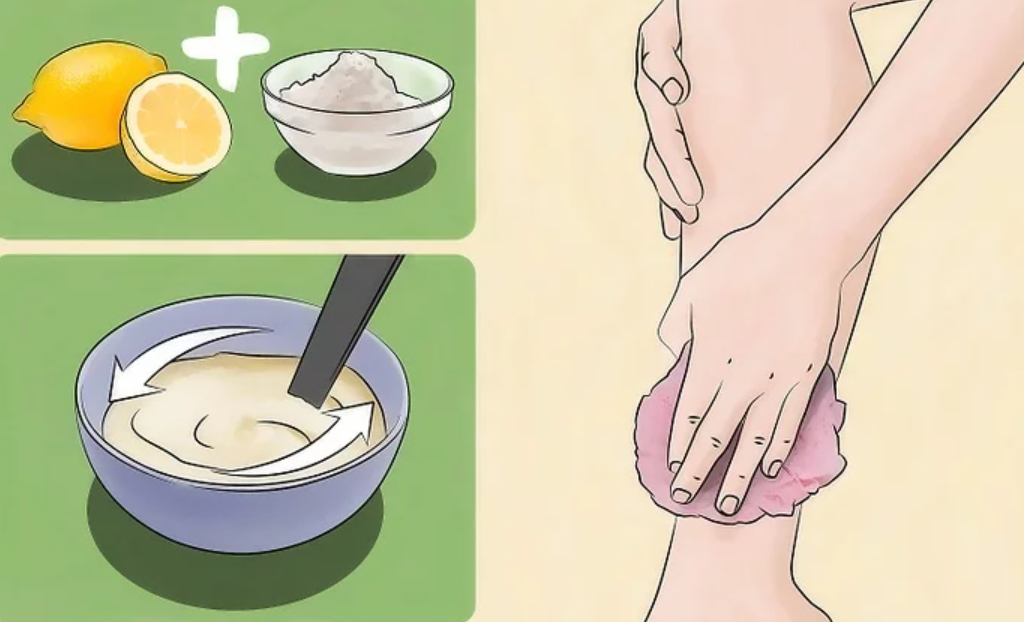
- Using lemon juice, baking soda, or strong acidic products on large areas of skin.
- Skimping on moisturizer, which can make the fading look uneven.
- Rushing a fade with heavy foundations that cling to dry patches.
When to seek professional help
If you notice patchy results that don’t improve after a week, consider consulting a dermatologist or esthetician. A professional exfoliation or a salon-grade tan remover can provide more controlled results and reduce the risk of over-exfoliating sensitive areas. Persistent staining after several days may indicate skin sensitivity or a reaction to the product you used, which warrants professional guidance.
For more tips and product reviews, visit the GetGoodRead homepage.