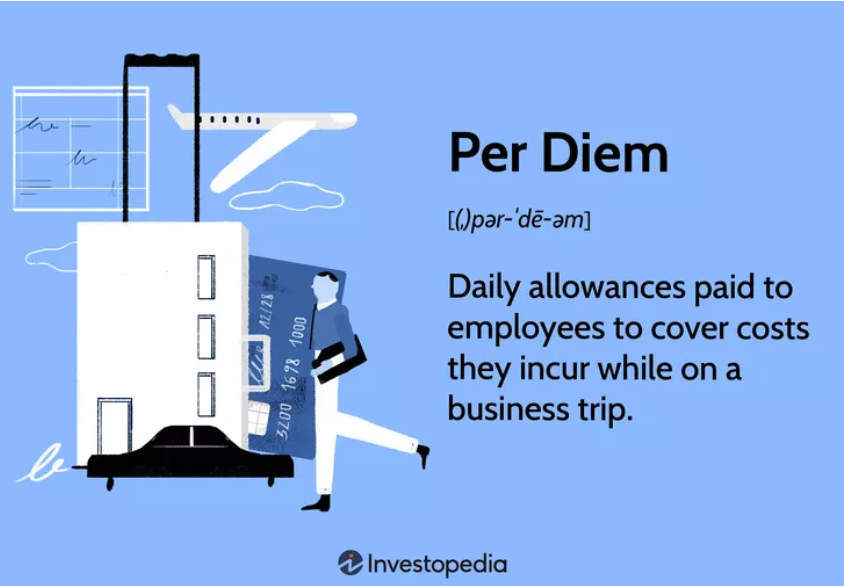

In today’s labor market, many professionals pursue flexible work arrangements that balance autonomy with steady income. A per diem job is one such arrangement, offering shifts that can be taken on an as-needed basis rather than a fixed full-time schedule. The term per diem, Latin for per day, describes roles where workers are paid for each shift or day worked rather than receiving a salary. For some, this model provides freedom to travel, care for family, or pursue side projects while still earning money in their field.
For those curious, what is a per diem job and how it fits into a modern career path. It’s important to note that per diem arrangements can exist across industries—nurses taking temporary assignments, software consultants filling short-term gaps, or teachers covering substitutions—and each sector shapes the job’s expectations and pay.
How per diem jobs work
Per diem roles are typically shift-based. Employers post available shifts, and workers decide which ones to take. The pay is usually higher on an hourly or daily basis than a comparable permanent position, reflecting the lack of long-term benefits and steadiness. In healthcare, for example, facilities rely on per diem nurses and clinicians to handle patient surges, vacations, and unexpected staff shortages. In IT or education, contractors fill short-term needs without committing to a full-time contract.
Working per diem can also involve travel. Some assignments require moving between cities or states, covering housing costs or stipends, and coordinating with a staffing agency that handles licensing and compliance. The logistics can be straightforward or complex, depending on the role and location.
Pros and cons of per diem work
- Pros: flexibility, variety, higher immediate pay, opportunities to test different teams and environments, and a path to networking in your field.
- Cons: fewer benefits (healthcare, retirement plans), less job security, variable workload, and potential tax considerations for multiple employers.
Who benefits most from per diem jobs?
Per diem is a strong fit for professionals who need control over their schedule—parents returning to work, students financing their studies, or retirees seeking part-time activity. It’s also appealing to people who enjoy diverse work experiences and want to avoid a long-term commitment to a single employer. While the pay is competitive, candidates should weigh benefit trade-offs, such as insurance and paid time off, against the flexibility and variety offered by per diem roles.
Before accepting any assignment, research the expected hours, travel requirements, housing stipends, and the staffing agency’s terms. Clarify whether per diem payments include reimbursements for meals, lodging, and travel and how taxes will be handled across multiple employers.
How to find and succeed in per diem roles
Start by exploring reputable agencies and job boards that specialize in flexible staffing. Build a strong resume that highlights adaptability, relevant certifications, and a track record of reliable performance on short notice. Prepare a concise portfolio of past projects or patient outcomes (for healthcare) or case studies (for IT or education). Be proactive about licensing, certifications, and continuing education, since many per diem roles require current credentials.
As you land assignments, communicate clearly with supervisors about expectations, availability, and any travel needs. Keep meticulous records of hours worked, reimbursements, and expenses to simplify tax time and ensure you receive eligible compensation.
For more insights and related topics, visit the AllReadWrite homepage.