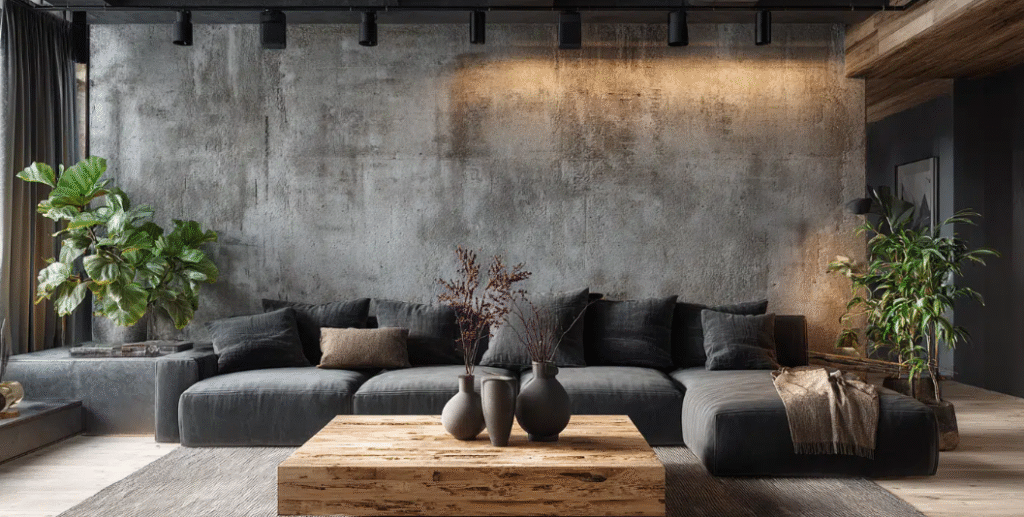

Brutalist interior design has moved from the margins of architecture into living rooms, dining spaces, and creative studios. Rooted in a philosophy of honesty, form follows function, and material truth, this style favors raw textures over polish and bold silhouettes over ornate details. If you’re curious about how to translate urban strength into a warm, welcoming home, you’re in the right place. In this guide we explore the elements that define brutalist interior design and share practical steps to craft spaces that feel both monumental and livable.
What Is Brutalist Interior Design?
Brutalist interior design is less about cold sterility and more about embracing honest materials—concrete, brick, steel, plaster—and the beauty of imperfection. Designers combine heavy massing with simple geometry, often featuring blocky furniture, exposed ceilings, and unadorned architectural features. The look isn’t about distraction; it’s about clarity: clean lines, large volumes, and tactile surfaces that invite touch. In contemporary spaces, this style is softened with natural textures and carefully placed warmth, creating a modern interpretation that feels rooted in real life.
Key Elements That Define the Look
Elements include raw, unpolished materials, a restrained color palette, and a deliberate absence of superfluous ornament. Expect exposed concrete or plaster walls, brick accents, steel fixtures, and solid wood surfaces. Lighting is essential: sculptural lamps or industrial fixtures that cast dramatic shadows help emphasize form. Furniture tends to be modular and geometric, prioritizing function with honest construction. Accessories are kept to a minimum, often chosen for craftsmanship rather than trendiness.
Color, Texture, and Light
Color in brutalist interiors leans toward monochrome and earthy neutrals—charcoal, taupe, cream, and the warm browns of wood. Juxtaposing these tones with a splash of matte black or deep blue can create depth without breaking the silhouette. Texture is everything: rough concrete, brushed metal, raw timber, and soft textiles in natural fibers balance the hardness of stone and brick. Lighting should illuminate but not overwhelm; a mix of ambient, task, and accent lighting helps sculpt space and reveal detail in the materials themselves.
Furnishings That Fit
When selecting furniture, prioritize pieces that celebrate construction and proportion. Think blocky sofas with low profiles, cantilevered chairs, and tables with clean, squared edges. Metallic or wood-framed shelving can act as architectural accents, while textiles like wool, linen, and leather add warmth without softening the geometry. Don’t shy away from oversized pieces in smaller rooms—scale matters, and negative space will enhance the room’s rhythm rather than overwhelm it.
Practical Tips for Modern Homes
- Start with a strong anchor piece, such as a sculptural concrete coffee table or a brick feature wall.
- Balance rough materials with soft textiles to create inviting corners where people want to linger.
- Choose lighting that highlights structure—recessed LEDs, floor lamps with angular silhouettes, and wall sconces that cast dramatic lines.
- Keep clutter to a minimum and let architectural elements take center stage.
- Consider acoustics: hard surfaces can be echoed; add rugs and sound-absorbing panels where needed.
Brutalist Interiors in Everyday Spaces
Adopting brutalist principles doesn’t require a full renovation. Start by embracing one or two architectural ideas—exposed beams, a concrete counter, or brickwork—and layer in softer textures and art. This approach helps calm the scale of the space while preserving an urban edge. In small apartments, modular seating and glass or metal dividers can preserve openness, while larger rooms benefit from a sense of procession—zones that flow into one another through shared materials.
For more ideas and design stories from the team, visit the Artist Writers homepage.
Conclusion: Embracing the Brutalist Ethos
Brutalist interior design offers a bold language for contemporary living: honesty, materiality, and a sense of place that nods to urban architecture while remaining comfortable. The key is to balance weight with warmth, scale with restraint, and form with function. With thoughtful planning, you can create spaces that feel timeless, purposeful, and entirely yours—without sacrificing personality or practicality.
