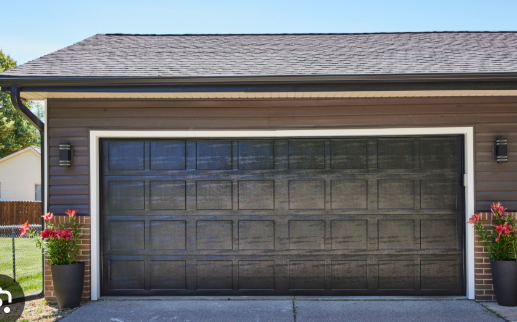

Giving your garage door a fresh coat of paint is one of the most cost-effective upgrades for curb appeal and protection against weather. A well-painted door can brighten the entire facade and extend the life of the surface. This guide covers the steps, materials, and techniques you need to successfully complete the project on a weekend. If you’re looking for a detailed guide, you can learn how to paint a garage door.
Assess, plan, and prep
Start by inspecting for peeling paint, rust, or moisture damage. Wood doors may have cracks; metal doors can rust at seams. Plan your color and finish, and check the forecast for dry, mild days. Tape off adjacent walls and trim with painter’s tape to protect them. Proper planning saves time and ensures even coverage.
Gather the right materials
Choose exterior-grade paint suited to your door material—acrylic or enamel for wood; rust-resistant enamel for metal. You’ll need primer, cleaner, degreaser, sandpaper, brushes, rollers, a tray, drop cloths, and masking tape. A sprayer is optional; brush and roller work well with careful technique.
Prepare the surface
Thorough cleaning is essential. Scrub with a mild detergent or degreaser, rinse, and let dry completely. Lightly sand glossy surfaces to remove slick paint. Remove loose material and fill any cracks with filler. Wipe away dust before priming. If you’re repainting a metal door with rust, apply a rust converter or rust-inhibiting primer.
Prime and paint
Apply a suitable primer to seal the surface. For bare wood, a stain-blocking primer helps prevent tannin bleed and ensures even color. For metal, use a primer that adheres to shiny surfaces. Let the primer dry fully, then apply the first coat of exterior paint using long, even strokes. Maintain a wet edge to minimize lap marks. If you’re using a spray method, follow safety instructions and mask surrounding areas. Apply a second coat as needed for opacity and durability.
Drying, inspection, and maintenance
Allow ample drying time between coats, typically 24 hours depending on conditions. Inspect for missed spots and touch up as needed. Once fully cured, clean brushes and remove masking tape carefully to avoid peeling fresh paint. To prolong the life of your door, consider applying a clear topcoat or sealant in high-traffic areas.
Color and finish can impact maintenance and appearance. Choose a durable exterior finish. Glossy enamel cleans easily but can highlight defects; satin hides flaws. For wood, use a solid color with a stain blocker. Lighter colors stay cooler and fade less; test shades on a small panel first.
Safety and environment
Paint on dry days with mild temps. Wear a mask when sanding or spraying, and keep children and pets away. If solvents are used, follow disposal rules and ventilate the area. Clean brushes with the appropriate solvent and store leftovers properly.
Common mistakes and fixes
- Skipping cleaning causes adhesion problems. Fix: wash and degrease well.
- Not sanding gloss reduces primer grip. Fix: sand lightly.
- Thick coats cause runs. Fix: thin coats and dry fully between layers.
- Painting in direct sun or heat leads to uneven drying. Fix: work in shade or cooler times.
Timeline and costs
Many doors take a weekend with two coats and drying time. Plan for primers, two coats, and basic supplies; price varies by size and finish.
For more home improvement ideas, visit Newsparq.