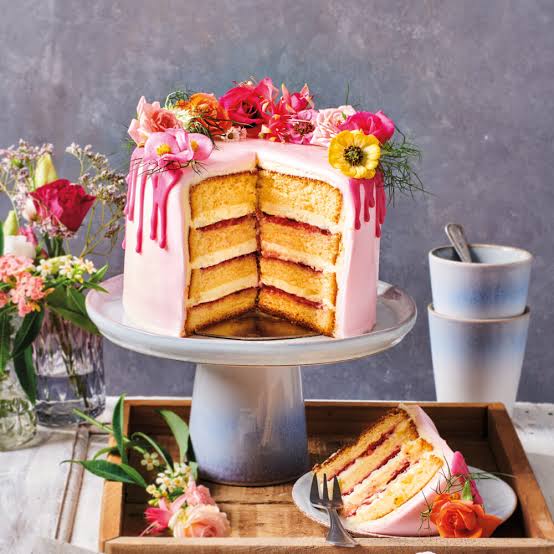

Sponge cake is one of the most beloved desserts in the baking world, known for its soft texture, delicate crumb, and versatility. Whether served at birthdays, weddings, afternoon tea, or family gatherings, this classic treat can be prepared in several ways. Among the most popular variations are butter sponge cake and oil sponge cake. Although both share the same basic purpose of creating a delicious, light dessert, they differ significantly in flavor, texture, preparation, and storage.
Choosing between these two cakes can be challenging, especially for home bakers who want the perfect balance of taste and softness. Understanding their differences can help you select the right recipe for your next baking project. In this ultimate comparison, we will explore what makes each variety special and determine which one deserves a place in your kitchen.
Understanding Butter Sponge Cake
Butter sponge cake is a traditional favorite that combines the rich flavor of butter with the light structure associated with sponge-style baking. Butter contributes a creamy aroma and satisfying taste that many dessert lovers associate with homemade cakes.
In most recipes, softened butter is beaten with sugar until the mixture becomes pale and fluffy. This process incorporates air, helping create a tender texture when the cake bakes. Eggs, flour, and other ingredients are then added according to the recipe.
One of the biggest advantages of butter sponge cake is its distinctive flavor. Butter provides richness that pairs beautifully with vanilla, chocolate, lemon, and other ingredients. It also works well with buttercream frosting, fresh fruit, jam, and whipped cream.
However, butter becomes firm when chilled. As a result, a butter-based sponge cake may feel denser or firmer when stored in the refrigerator. Allowing it to return to room temperature before serving usually improves its softness and flavor.
Understanding Oil Sponge Cake
Oil sponge cake offers a different approach to achieving a soft and moist dessert. Instead of relying on butter, these recipes use vegetable oil or another neutral-flavored cooking oil to provide fat and moisture.
Because oil remains liquid at room temperature, cakes made with it often maintain a soft, moist texture even after cooling. This quality makes oil sponge cake particularly attractive for people who prefer desserts that stay tender for longer periods.
Preparation methods vary. Some recipes begin by whipping eggs and sugar to incorporate air, while others use a simpler mixing technique. The oil is gradually incorporated with the wet ingredients before the flour is added.
Oil has a relatively neutral flavor, allowing other ingredients to stand out. Vanilla, citrus zest, cocoa, fruit purees, and flavored syrups can shine without the pronounced buttery notes found in traditional recipes.
Oil sponge cake is especially useful for layered desserts, celebration cakes, and recipes that need to remain moist after refrigeration. Nevertheless, using too much oil can produce a greasy texture, so accurate measurements are essential.
The Biggest Difference: Flavor and Aroma
Flavor is often the first consideration when comparing butter sponge cake and oil sponge cake.
Butter sponge cake usually wins for richness and aroma. Its creamy, slightly sweet flavor creates a traditional bakery-style experience. When the cake comes out of the oven, the buttery fragrance can make it especially appealing.
Oil sponge cake, on the other hand, offers a cleaner and more neutral taste. Rather than dominating the dessert, the fat helps deliver moisture while allowing other flavors to take center stage.
For example, a vanilla cake intended to showcase a delicate buttercream may benefit from butter’s richness. A citrus sponge filled with lemon curd or a fruit-based dessert may work equally well with oil, depending on the recipe.
Neither option is automatically superior. The best choice depends on whether you want the cake itself to provide a rich flavor or serve as a soft foundation for other ingredients.
Texture: Which Cake Is Softer?
Texture is another important factor in this baking battle.
Butter sponge cake can have a tender, fine crumb when the ingredients are measured correctly and the butter is creamed properly. The incorporated air supports a lighter structure, while the butter contributes a pleasant richness. However, the cake may become firmer as it cools, particularly in a cold environment.
Oil sponge cake is frequently praised for its moistness. Because the oil remains liquid at room temperature, the cake often feels softer after cooling and can maintain that quality for longer. This makes it a popular choice for cakes that are prepared in advance.
Still, softness depends on more than the type of fat used. Egg proportions, flour selection, mixing technique, baking temperature, and cooking time all influence the final result.
Overmixing can develop excess gluten, while overbaking can dry out either variety. Careful preparation is essential for achieving a delicate sponge with a pleasant crumb.
Baking and Preparation: Which Is Easier?
Butter sponge cake requires attention to ingredient temperature. Softened butter generally combines best with sugar when it is neither too cold nor melted. Proper creaming is important because it introduces air that supports the cake’s structure.
If the butter is too cold, it may not incorporate enough air. If it is melted when the recipe calls for creaming, the final texture can be noticeably different.
Oil sponge cake can be easier to mix because oil does not need to be softened. It is convenient for recipes that combine wet ingredients before adding the dry ingredients.
However, oil does not trap air in the same way that properly creamed butter does. Recipes that depend on whipped eggs or another aeration technique must be followed carefully to prevent a heavy result.
For beginners, both methods are manageable. The easiest option is the one that matches the recipe, available equipment, and preferred baking style.
Which Cake Works Best for Frosting and Decoration?
Butter sponge cake is an excellent choice for desserts where a rich flavor is desirable. It pairs naturally with buttercream, chocolate ganache, caramel, and traditional fruit fillings. Its structure can also support many layered designs when the recipe is formulated for that purpose.
Oil sponge cake is often suitable for cakes that need to stay moist beneath frosting or between several layers. It works particularly well with whipped cream, fresh fruit, custard, and lighter fillings.
For elaborate decorations, the cake’s stability matters as much as its moisture. Some oil-based cakes can be very tender and may require chilling or careful handling before stacking. Meanwhile, certain butter-based cakes become firmer when cool, which can make slicing and handling easier.
Always choose a recipe designed for the decoration you have in mind rather than assuming every sponge cake will support the same amount of filling or frosting.
Shelf Life and Storage
Storage can influence which cake is the better choice for your needs.
Oil sponge cake often retains its soft texture well at room temperature when properly wrapped and stored under suitable conditions. This makes it convenient for preparing desserts a day before an event.
Butter sponge cake can also remain delicious for several days when stored correctly, although its texture may become firmer in cool conditions. Bringing it to room temperature before serving can help restore its tenderness.
Storage life depends on ingredients, room temperature, humidity, and whether the cake contains perishable fillings. Cakes filled with fresh cream, custard, or other ingredients requiring refrigeration should be stored safely in the refrigerator, regardless of the fat used.
For the best results, keep an unfrosted cake covered to reduce moisture loss and follow appropriate food-safety guidance for decorated desserts.
Nutrition and Ingredient Considerations
Both butter and oil provide dietary fat, but their nutritional profiles differ. Butter contains saturated fat and naturally occurring dairy components, while the nutritional composition of oil depends on the variety used.
Many vegetable oils contain more unsaturated fat than butter. However, the overall nutritional value of a cake also depends on sugar, flour, portion size, eggs, and additional toppings.
Neither type should automatically be considered healthy simply because it uses a particular fat. Bakers who have specific dietary needs can explore suitable ingredient substitutions, keeping in mind that changing the fat may alter flavor, texture, and structure.
The Final Verdict: Butter or Oil?
The ultimate battle between butter sponge cake and oil sponge cake does not have one universal winner. Each variety has strengths that make it suitable for different occasions.
Choose butter sponge cake when you want a rich, traditional flavor, a buttery aroma, and a dessert that pairs beautifully with classic frosting. It is an excellent option for celebrations where flavor is the main attraction.
Choose oil sponge cake when lasting softness and moisture are your priorities. Its neutral flavor makes it versatile, and its texture can be particularly appealing in layered desserts and cakes prepared ahead of time.
Ultimately, the best sponge cake is the one that matches your taste and baking goals. Experiment with both styles, follow reliable recipes, and pay attention to mixing and baking times. Once you understand how each ingredient affects the final result, you can create delicious cakes for every occasion.
Whether you prefer the richness of butter or the lasting tenderness of oil, both varieties have a place in a baker’s collection. The real winner is the cake that brings the perfect combination of flavor, texture, and enjoyment to your table.