
Indoor play spaces have become popular destinations for families, schools, childcare centers, entertainment venues, and recreational facilities. These environments give children opportunities to explore, climb, crawl, slide, balance, and interact with others in a controlled setting. However, creating an attractive play area is not simply about selecting colorful structures. Safety, durability, age suitability, accessibility, and thoughtful design all play important roles. Choosing high-quality commercial soft play equipment can help operators create an engaging environment while supporting safe and comfortable play.
Understanding Commercial Soft Play Equipment
Commercial soft play equipment is designed specifically for environments where many children use the facilities regularly. Unlike household play products, commercial systems must be built to handle frequent use, repeated impacts, and demanding operating conditions.
Typical installations can include climbing structures, padded obstacles, tunnels, slides, ball pools, crawl areas, bridges, stepping platforms, interactive panels, and themed play zones. These components can be combined into a larger play system based on the available floor space and the intended age group.
The primary advantage of soft play is its use of padded surfaces and impact-absorbing materials. When children stumble or fall during normal play, properly designed padding can reduce the severity of minor impacts. At the same time, equipment should encourage physical movement and exploration rather than restricting children’s natural curiosity.
Strong and Durable Construction
Durability is one of the most important features of commercial equipment. Indoor play centers can experience hundreds or thousands of play sessions over the lifetime of an installation. Weak frames, low-quality padding, or poorly constructed connections can deteriorate quickly under this level of use.
A reliable system should use strong structural components, durable coverings, secure fasteners, and high-quality padding. Materials should be selected according to the expected amount of traffic and the types of activities children will perform.
Durability also affects operating costs. Equipment that remains in good condition for longer periods can reduce frequent repairs and replacement expenses. Operators should therefore evaluate construction quality rather than choosing equipment based solely on its appearance or initial price.
Effective Padding and Impact Protection
Padding is fundamental to soft play design. Children naturally run, jump, climb, and change direction while playing, making falls and accidental contact possible.
Important areas such as climbing surfaces, posts, platforms, corners, and enclosed structures should have suitable protective padding. Padding should remain securely attached during normal use and should not expose hard structural elements.
The covering material should also be durable and easy to clean. Since indoor play environments receive continuous traffic, surfaces can be exposed to dirt, food, moisture, and frequent contact. Smooth, durable coverings make routine cleaning and maintenance more practical.
Safe Edges, Openings, and Connections
A well-designed play system should minimize unnecessary hazards created by sharp edges, exposed hardware, gaps, or poorly protected openings. Components should fit together securely so that children cannot easily dislodge them during normal activities.
Openings and tunnels should be designed with the intended age group in mind. Smaller children require particular attention because their bodies and movement patterns differ from those of older children.
Operators should also inspect equipment regularly for loose components, damaged padding, torn coverings, exposed fasteners, and other potential hazards. Even high-quality equipment requires ongoing maintenance to remain safe.
Age-Appropriate Design
Children of different ages have different physical abilities, coordination levels, and play preferences. A structure designed for toddlers should not necessarily be identical to one intended for school-age children.
Age-appropriate design can involve lower climbing heights, smaller steps, simpler obstacles, and easily accessible play elements for younger children. Older children may benefit from more challenging climbing structures, tunnels, slides, balance features, and interactive obstacles.
Separating activity zones by age can also reduce collisions. When children with significantly different sizes and abilities share the same space, faster and more physically demanding activities can create unnecessary risks for smaller children.
Non-Slip and Stable Surfaces
Flooring is another important part of indoor play safety. Children can move quickly between different activities, so surfaces should provide suitable traction while offering appropriate impact protection.
Equipment should also remain stable during normal use. Platforms, climbing structures, bridges, and other components need secure support systems. Stability becomes especially important when several children use the same feature simultaneously.
The surrounding floor should complement the equipment rather than create additional hazards. A carefully planned combination of impact-absorbing flooring and stable structures can improve the overall safety of the play environment.
Hygiene and Easy Maintenance
Indoor play areas require regular cleaning because equipment is touched by many children throughout the day. Therefore, hygiene should be considered during equipment selection and facility design.
Materials should tolerate routine cleaning without rapidly deteriorating. Surfaces should avoid unnecessary areas where dust and debris can accumulate. Accessible components make it easier for staff to inspect and clean the structure.
A practical maintenance program should include daily visual checks, routine cleaning, periodic inspections, and prompt repair of damaged components. Operators should maintain records of inspections and repairs so that potential problems can be identified before they become significant.
Visibility and Supervision
Even well-designed equipment cannot replace responsible supervision. Staff need to be able to observe children throughout the play area.
The layout should avoid excessive blind spots and confusing pathways. Transparent or open sections can help supervisors monitor activities without interfering with children’s play.
A good design balances adventure with visibility. Enclosed tunnels and themed elements can make play more exciting, but excessive enclosed spaces can make supervision difficult. Strategic placement of openings and observation points can help staff maintain awareness.
Engaging and Interactive Features
Safety is essential, but a successful play area should also be enjoyable. Children are more likely to remain active when equipment offers varied experiences.
Climbing, crawling, balancing, sliding, and problem-solving activities can be combined to create a dynamic environment. Interactive games and sensory elements can add another dimension to the experience.
Colorful themes, creative shapes, and imaginative environments can encourage pretend play. The goal is to create equipment that does more than occupy space—it should encourage children to move, explore, interact, and develop confidence.
Integration With Other Indoor Attractions
Some entertainment facilities combine soft play areas with other attractions. In larger family entertainment centers, for example, soft play may be located near arcade areas, party rooms, or trampoline attractions.
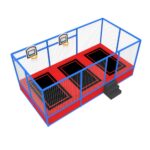
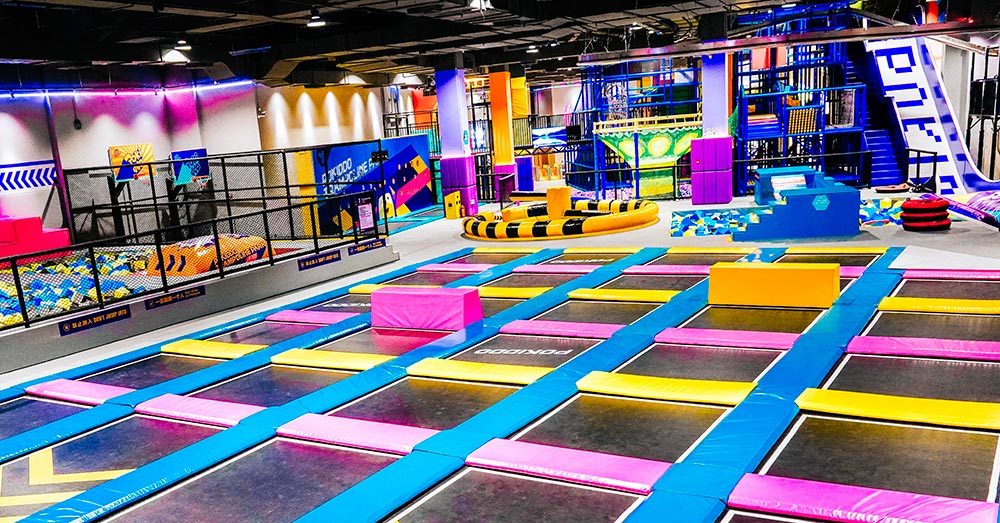
When facilities use commercial trampoline park equipment alongside soft play, operators should carefully consider traffic flow, age separation, supervision, and transitions between activity zones. Different attractions can involve different movement patterns and risk considerations, so clear boundaries and appropriate access points are important.
The combination of different attractions can increase the overall appeal of a facility, but each area should retain its own safety procedures and operational controls.
Accessibility and Inclusive Play
Modern indoor play environments can also benefit from inclusive design. Children have different physical abilities and developmental needs, so equipment should provide multiple ways to participate.
Ground-level activities, accessible pathways, interactive panels, and varied challenge levels can help more children enjoy the environment. Inclusive planning does not necessarily require every child to use every feature; instead, it focuses on providing meaningful opportunities for participation.
An inclusive play area can also encourage children to interact with one another and experience different forms of cooperative play.
Choosing the Right Manufacturer
Selecting the right manufacturer is an important step in developing a commercial play environment. Buyers should evaluate manufacturing quality, design expertise, material specifications, customization options, installation support, warranties, and maintenance guidance.
A professional manufacturer should be able to discuss the intended age groups, available space, expected visitor volume, desired theme, and operational requirements before recommending a system.
It is also useful to request detailed product information and documentation rather than making a decision based entirely on photographs. The appearance of equipment matters, but its structural quality and suitability for commercial use matter considerably more.
Conclusion
Commercial indoor play spaces need to combine excitement with responsible design. High-quality commercial soft play equipment should provide durable construction, effective padding, stable surfaces, safe connections, age-appropriate challenges, easy maintenance, good visibility, and engaging activities.
By considering these features from the beginning, operators can create environments that encourage active play while supporting effective supervision and long-term facility performance. Whether soft play is installed as a standalone attraction or combined with commercial trampoline park equipment, thoughtful planning and quality construction are essential for creating a safe, enjoyable, and memorable indoor play experience.