
Power outages caused by wildfires and extreme weather have become an important preparedness concern for California homeowners. During periods of elevated wildfire risk, utilities may use Public Safety Power Shutoff (PSPS) events to temporarily turn off electricity in selected areas. Although these shutoffs are intended to reduce wildfire risk, they can leave homes without power for hours or even several days.
A practical California PSPS power shutoff backup plan can help households maintain essential appliances, communications, lighting, refrigeration, and other critical equipment. Preparing before an outage occurs is especially important because stores and online retailers may experience high demand when severe weather is approaching.
Why a PSPS Backup Plan Matters
A PSPS event can happen with limited convenience, particularly when high winds, dry vegetation, and fire danger create hazardous conditions. Losing electricity affects much more than household lighting. Refrigerators and freezers need electricity to preserve food, internet equipment may stop working, phones require charging, and garage doors or security systems may become unavailable.
A backup plan allows homeowners to prioritize essential electrical loads instead of attempting to power the entire house. This approach can make a portable power station, battery backup system, solar generator, or traditional generator more useful while reducing unnecessary energy consumption.
The first step is to identify the appliances and devices that are genuinely important during an outage. Make a list of refrigerators, freezers, communication devices, lighting, medical equipment, Wi-Fi routers, computers, sump pumps, and other necessities. Once the list is complete, estimate how much power each item requires and how long it needs to operate.
Choose the Right Backup Power Equipment
The central component of a PSPS preparedness strategy is reliable backup power. Several technologies can work, but the right option depends on household energy requirements, outage duration, budget, and available outdoor space.
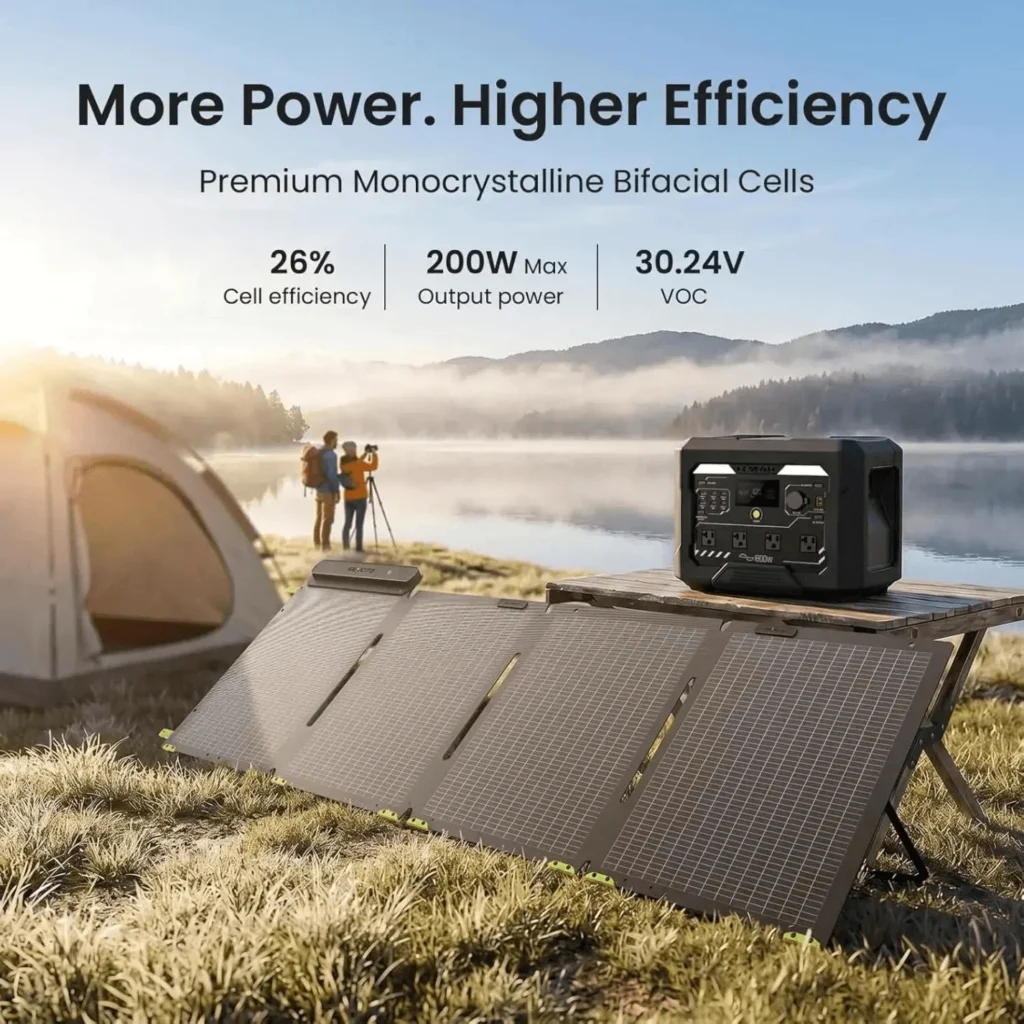
Portable power stations are attractive for many homeowners because they operate quietly and can power smaller electronics and selected appliances. Models with larger battery capacities can support refrigerators, lights, routers, fans, and other essential devices. They can also be recharged from solar panels, allowing households to extend their available energy during longer outages.
Traditional gasoline or propane generators can provide substantial power and may be appropriate for larger electrical loads. However, they require fuel, produce exhaust, and must always be operated outdoors in a safe, well-ventilated location. Carbon monoxide poisoning is a serious hazard, so generators should never be operated inside a home, garage, basement, or enclosed structure.
Battery-based systems eliminate fuel storage and direct exhaust concerns. When evaluating battery-powered backup equipment, homeowners may encounter lithium-ion chemistries such as lithium iron phosphate (LiFePO4) and nickel manganese cobalt (NMC).
LiFePO4 vs NMC Battery Comparison
A LiFePO4 vs NMC battery comparison is useful when selecting a portable power station or home backup battery. Both technologies can provide dependable energy storage, but their characteristics differ.
LiFePO4 batteries are known for their long cycle life and strong thermal stability. They are often appealing for homeowners who expect to use their backup system frequently over many years. Their chemistry generally provides a favorable balance between durability and safety.
NMC batteries have historically offered higher energy density, meaning a battery can provide substantial energy while remaining relatively compact and lightweight. This can make NMC attractive when portability and weight are major priorities.
For a stationary or frequently used emergency backup system, LiFePO4 may be particularly appealing because of its long service life. For lightweight portable equipment where size and weight are critical, NMC can remain a practical option.
When comparing products, homeowners should consider more than battery chemistry. Look at usable capacity, continuous output, surge capacity, recharge time, solar input limits, warranty, operating temperature range, safety certifications, and manufacturer support.
Calculate Your Household’s Energy Requirements
Buying the biggest available battery is not always necessary. Understanding your actual electricity requirements can help you select a more efficient and affordable backup solution.
Start by identifying essential devices and their wattage. A refrigerator, for example, may require significantly more power when its compressor starts than it uses during normal operation. Therefore, both running watts and starting or surge watts matter when choosing an inverter or generator.
Next, determine how many hours each device needs to operate. A refrigerator may need intermittent power throughout the day, while LED lights might only be used for several hours. Phones and laptops typically require relatively little energy compared with heating appliances, air conditioners, or electric water heaters.
During an outage, reduce unnecessary electricity consumption. Turn off devices that are not required, use energy-efficient LED lighting, and avoid high-wattage appliances unless your backup system has sufficient capacity.
Add Solar Charging to Your Preparedness Strategy
Solar panels can make a battery backup system more useful during extended PSPS events. Instead of relying exclusively on stored electricity, homeowners can recharge compatible batteries during daylight hours.
A solar generator paired with appropriately sized panels can provide a renewable charging source when grid electricity is unavailable. However, solar output varies according to sunlight, panel orientation, weather, shading, and system specifications.
Before an emergency, test the complete solar charging setup. Confirm that the connectors are compatible, the panels receive adequate sunlight, and the battery recognizes the incoming power. Knowing how the system works in advance prevents unnecessary confusion during an actual outage.
Prepare Essential Emergency Supplies
Electricity is only one part of PSPS preparedness. A comprehensive emergency kit should include flashlights, spare batteries, portable phone chargers, drinking water, nonperishable food, first-aid supplies, blankets, and important documents.
Keep several charging cables available for phones and other devices. A battery-powered or hand-crank radio can provide access to emergency information if internet or cellular services become unreliable.
Homeowners should also consider basic fire-safety equipment. Smoke alarms and carbon monoxide detectors should have functioning batteries or appropriate backup power. Fire extinguishers should be accessible and regularly checked.
Protect Refrigerated Food
A prolonged outage can quickly become a food-safety issue. Keep refrigerator and freezer doors closed as much as possible when electricity fails. Before a planned PSPS event, reduce unnecessary opening of the refrigerator and organize commonly needed items where they are easy to reach.
A backup battery or generator can help maintain refrigeration, but homeowners should know the electrical requirements of their appliance before connecting it. If an appliance requires more starting power than the backup system can supply, the system may shut down or become overloaded.
Create a Communication and Evacuation Plan
Power preparedness should work alongside wildfire preparedness. Every household should have a way to receive emergency alerts and communicate with family members during an outage.
Keep phones charged before a forecasted PSPS event and maintain backup charging options. Establish an emergency contact plan so family members know how to communicate if normal services are disrupted.
Because PSPS events are associated with wildfire risk, households should also understand local evacuation routes and have essential documents, medications, clothing, and emergency supplies ready to leave quickly if authorities issue evacuation instructions.
Test Your Backup System Before an Emergency
A backup system is only valuable if it works when needed. Test it periodically rather than storing it untouched until an emergency occurs.
Run the battery system under a realistic load, check charging cables, inspect solar panels, and verify that essential appliances can operate correctly. For fuel-powered generators, follow the manufacturer’s maintenance schedule and safely store fuel according to applicable requirements.
Testing also gives homeowners an opportunity to identify weaknesses. You may discover that a battery does not provide as much runtime as expected or that a particular appliance requires more starting power than anticipated.
Build a Practical Long-Term PSPS Strategy
A strong California PSPS power shutoff backup plan combines equipment, knowledge, and routine preparation. Instead of focusing solely on purchasing a generator or battery, homeowners should create a complete strategy covering electricity, communication, food, lighting, safety, and evacuation readiness.
Battery technology is another important consideration, making a LiFePO4 vs NMC battery comparison useful before purchasing a portable power station or energy storage system. The best choice depends on whether the priority is longevity, energy density, portability, frequent cycling, or overall system requirements.
Preparing before wildfire season can make a major difference. By calculating essential energy needs, choosing appropriate backup equipment, adding solar charging where practical, maintaining emergency supplies, and testing the system regularly, California households can be better positioned to handle PSPS outages safely and comfortably.