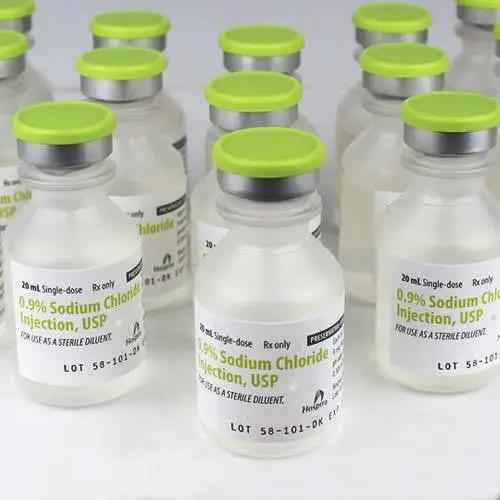

Sodium chloride 0.9% intravenous solutions, commonly known as normal saline, are a staple in modern medical care. They help restore and maintain circulating fluid volume, support blood pressure, and provide a safe vehicle for many medications. In the clinical setting, an IV fluid can stabilize a patient quickly, making clarity on when and how to use it essential for clinicians and patients alike. For a concise overview, you can read about sodium chloride 0 9 intravenous uses side effects warnings/.
What is sodium chloride 0.9% IV solution?
The 0.9% sodium chloride solution is isotonic with human blood. It contains 9 grams of NaCl per liter of fluid, designed to stay within the extracellular space and avoid rapid shifts of water between compartments. Because it mirrors the body’s natural saline balance, it is widely used as a starting fluid for many intravenous regimens and as a diluent for medications that require IV administration.
Common clinical uses
- Hydration and volume replacement in dehydration, vomiting, or extensive sweating.
- During surgeries to maintain circulating volume and blood pressure.
- As a diluent for IV medications that require a compatible and sterile carrier.
- To restore electrolyte balance in specific medical conditions under supervision.
Potential side effects and risks
In most patients, normal saline is well tolerated when used as directed. However, like any IV fluid, it can cause side effects or complications, especially with improper use or preexisting conditions. Common concerns include:
- Fluid overload, particularly in individuals with heart, kidney, or liver problems, which can lead to edema or high blood pressure.
- Electrolyte disturbances such as hypernatremia (too much sodium) or, less commonly, hyponatremia if fluids are not appropriately managed.
- Hyperchloremic metabolic acidosis in large-volume administration due to high chloride load.
- Local venous irritation or inflammation at the injection site.
- Allergic reactions are rare but possible with IV components.
Important warnings and safe use guidelines
Appropriate monitoring is key to safe use. Healthcare providers assess fluid status, electrolyte balance, and renal function before and during treatment with any IV saline solution. Patients should:
- Receive the correct volume as prescribed, with careful attention to rate and duration of infusion.
- Have regular blood tests to monitor sodium, chloride, bicarbonate, and overall fluid balance.
- Avoid excessive volumes in those with heart failure or kidney disease to minimize the risk of fluid overload.
- Be aware of indications for switching to other IV fluids or adding electrolytes if needed.
Choosing the right IV fluid
Healthcare teams consider patient age, comorbidities, and the clinical goal when choosing IV fluids. While sodium chloride 0.9% is versatile, other solutions like lactated Ringer’s or dextrose-containing fluids may be selected based on electrolyte goals, acid-base status, and the anticipated course of therapy. An informed discussion with a clinician about the benefits and risks helps ensure safety and effectiveness.
For more science-backed information on this topic, you can visit the MedReviewHub homepage for broader articles and resources: MedReviewHub homepage.