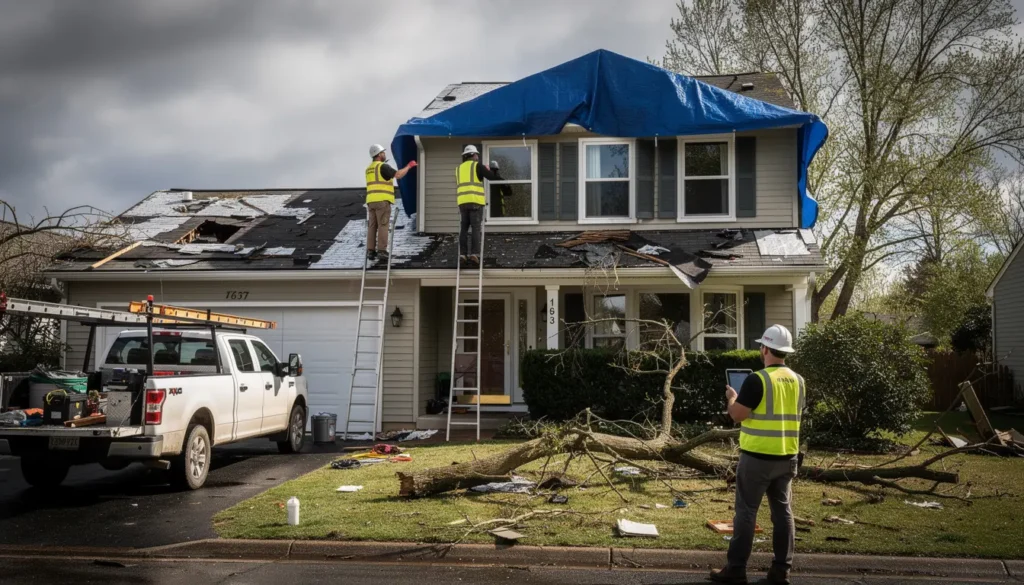

When a storm sweeps through a neighborhood, it leaves more than visible debris. Water intrusion, wind damage, and compromised infrastructure create a complex canvas for restoration teams and homeowners alike. Understanding the steps, timelines, and common pitfalls is essential for minimizing losses and ensuring a safe, long-lasting rebuild. For those researching this topic, the article on the challenges of property damage restoration after a storm/ provides a concise overview of the major hurdles and how to approach them.
Assess safety and begin with a thorough site evaluation
The first priority after a storm is safety. Before anyone enters a damaged home, shut off utilities if you can do so safely and inspect for structural weaknesses, exposed wiring, or compromised ceilings. A rapid, but careful, assessment helps identify standing water, delamination, and potential mold growth. Documenting photos and notes at the outset creates a solid baseline for insurers and contractors and reduces the risk of oversights later in the restoration process.
Document damage and coordinate with your insurer
Detailed documentation is essential for processing claims efficiently. Take timestamped photographs of all affected rooms, inventory damaged belongings, and note any temporary losses such as appliances or furniture that require removal. When you file a claim, provide a clear scope of work and expected timelines. If you’re unsure what your policy covers, reach out to your insurer early to understand deadlines, depreciation, and whether temporary housing is included during restoration. The challenges of property damage restoration after a storm/ often hinge on having precise records and prompt communication with the insurance carrier.
Choose qualified restoration professionals
Restoration after a storm goes beyond cosmetic fixes. It typically involves water extraction, moisture mapping, structural drying, and sometimes remediation of mold or compromised electrical systems. Look for licensed, bonded contractors with experience in storm restoration and certifications from recognized bodies (for example, the IICRC). Ask for references, review project portfolios, and request detailed written estimates. A strong partnership with a reputable team helps you navigate permits, code updates, and scheduling challenges that frequently arise during peak storm seasons.
Understand timelines, scope, and potential surprises
Storm restoration is rarely a straight line from “start” to “finish.” Moisture can migrate beyond visible areas, requiring phased drying or partial demolition to reach damp insulation or wet framing. Anticipate interruptions, such as material backlogs or weather-driven delays, and build in contingencies. Clear, documented change orders prevent scope creep from eroding budgets and timelines. Those who plan for contingencies tend to experience smoother progress and fewer financial shocks as the project advances.
Insurance, documentation, and covering the costs
Insurance coverage often determines the extent of repairs, but disputes can arise over coverage limits, deductible amounts, and the classification of damage as “restoration” versus “replacement.” Maintain a running ledger of all receipts, contractor invoices, and rental costs if temporary housing is needed. Ask your restoration partner to help translate technical assessments into plain-language explanations for the insurer, which can speed up approvals and minimize claim denials.
Prevent mold, moisture, and future damage
As you approach the final stages, prioritize moisture control and preventive measures. Fix leaks at the source, improve drainage around the structure, and install proper ventilation in damp areas such as basements or bathrooms. Sealing porous materials and using dehumidification can prevent mold growth and structural deterioration. A thorough moisture map and post-restoration inspections give you confidence that the home will perform well under the next storm event.
Final steps and ongoing protection
Once the space is dry and clean, perform a walk-through with your restoration team to confirm all items on the scope are completed. Keep an eye on seasonal weather patterns and consider flood-proofing upgrades if you live in an at-risk area. For more resources and insights on resilience and restoration, visit the Newspab homepage to explore related content and guidance.
To learn more or start a conversation with restoration specialists, you can also reference the challenges of property damage restoration after a storm/ as a foundational overview and then tailor the plan to your unique home and climate.